Last updated November 25, 2026
Free roof inspection with deck photos before we talk money - GAF and Owens Corning certified installation
Choosing the Right Roofing Brand: A Buyer’s Guide for Elk Grove
Here’s the counterintuitive part about shingle brands: the name on the wrapper is only half the decision. The same manufacturer sells an entry-level strip shingle and a premium architectural line that carry very different warranties, different wind ratings, and different algae protection. When three bids land on your kitchen table with three different brand names, you’re often not comparing manufacturers at all. You’re comparing which product tier each roofer chose to quote, and whether that roofer can actually unlock the enhanced warranty the brand offers. That distinction is the whole game, and most homeowners never see it. This guide walks through how to read a brand by tier, verify installer status, and pick the right roof for an Elk Grove home.
Quick Answer
The “best” roofing brand for your Elk Grove home depends on three things: which product line within that brand you’re buying, whether the installer is authorized to offer that brand’s enhanced warranty, and whether the material suits the hot, dry, high-sun Sacramento Valley climate. GAF, CertainTeed, Owens Corning, IKO, Atlas, Tamko, and Boral all make good products, but a premium architectural shingle from a mid-tier brand frequently outperforms a budget line from a top-tier name. Match the tier to your home and verify the installer, and brand recognition becomes a secondary concern.
Styles & brands we work with
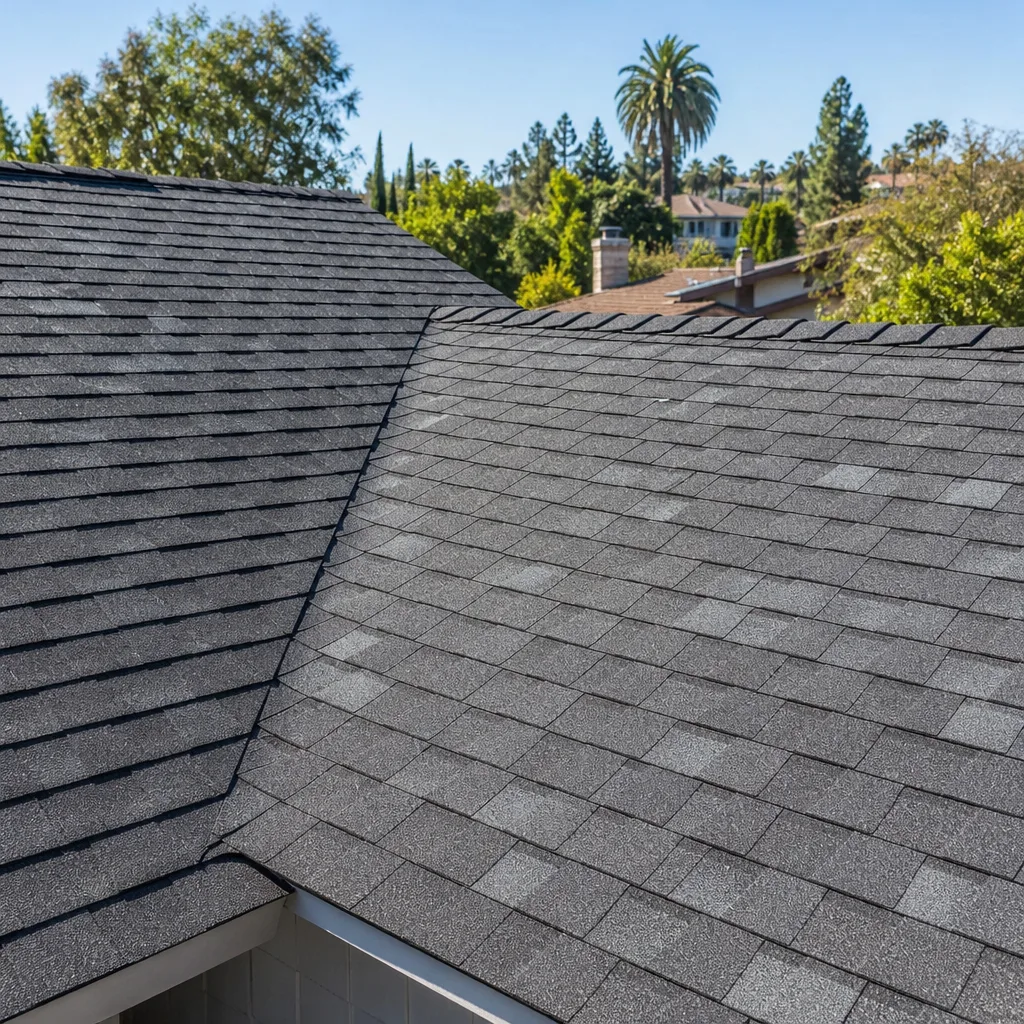
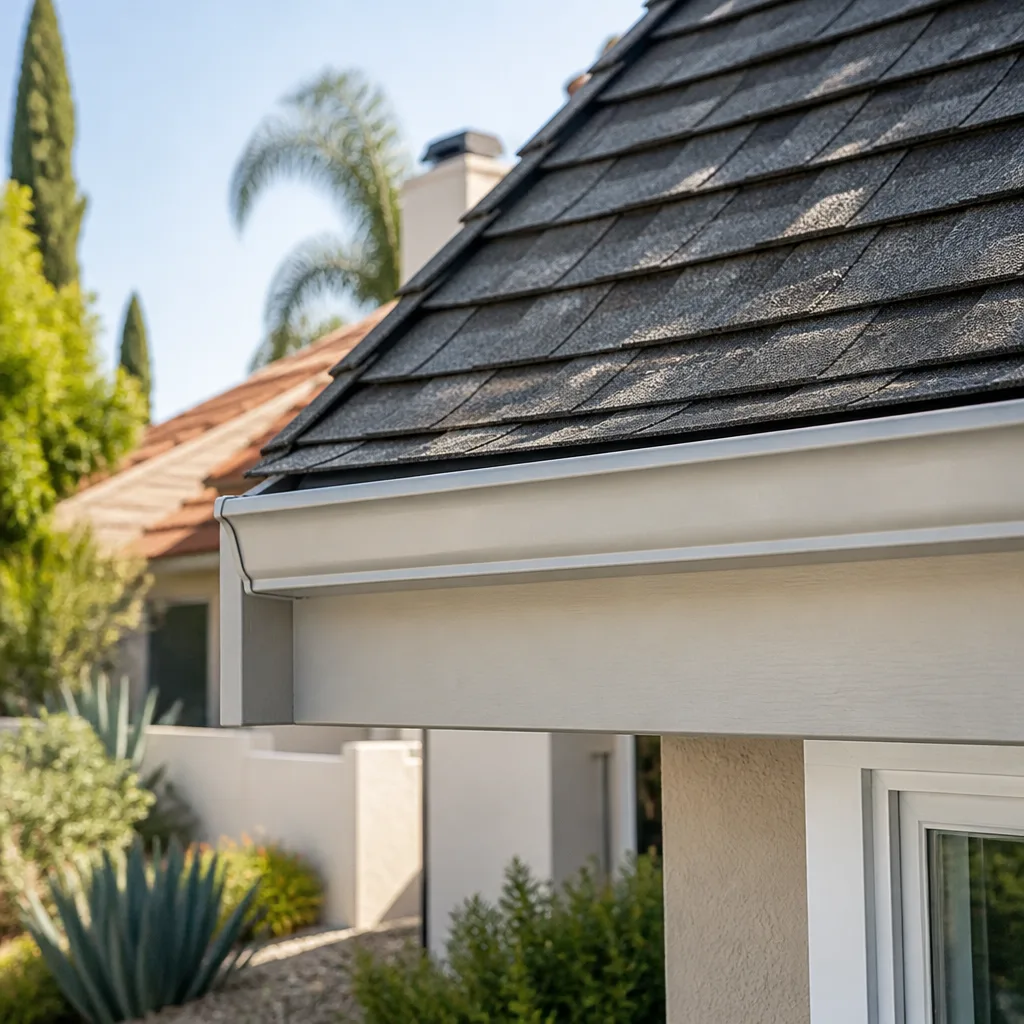
- Architectural shingles
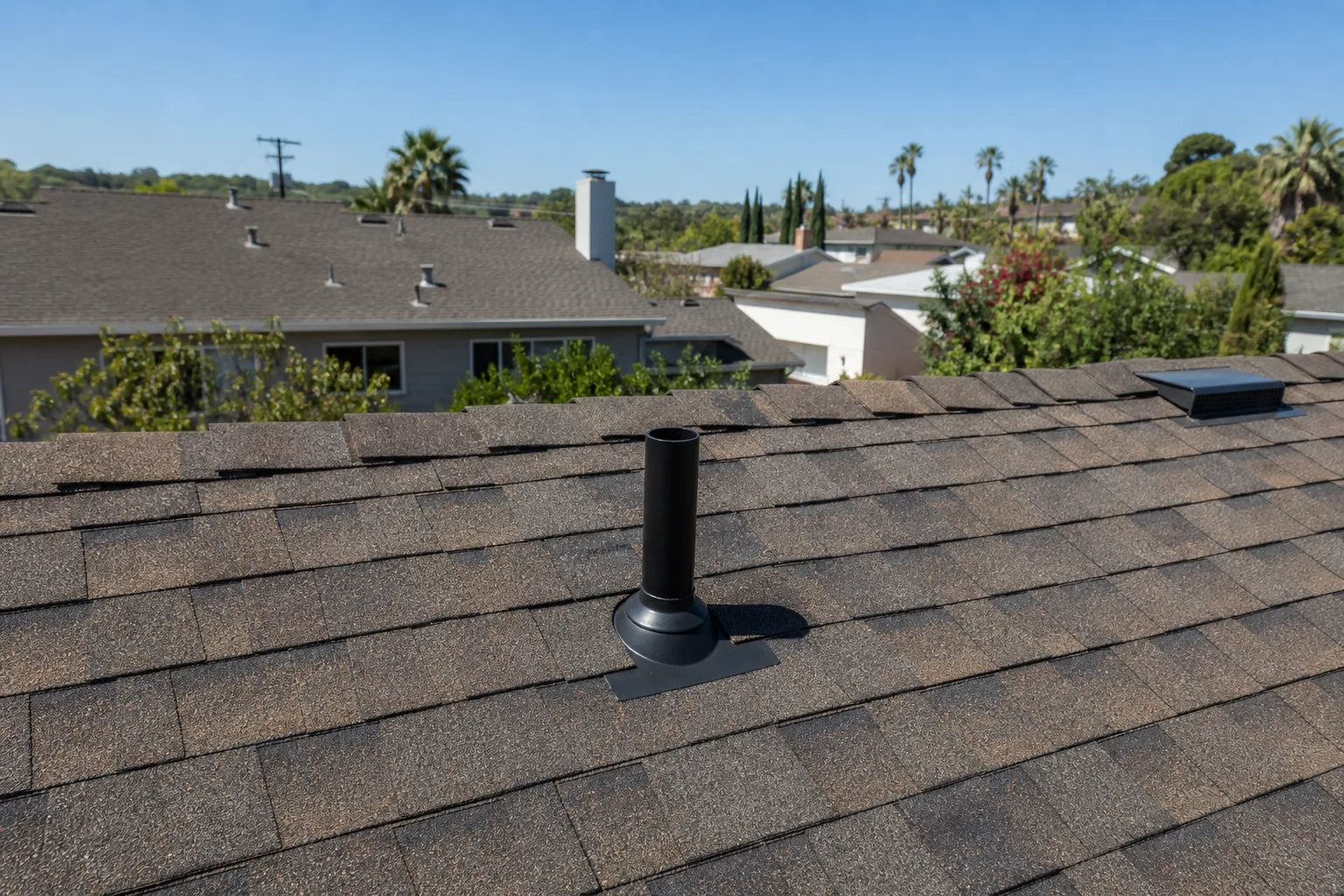
- Metal roofing
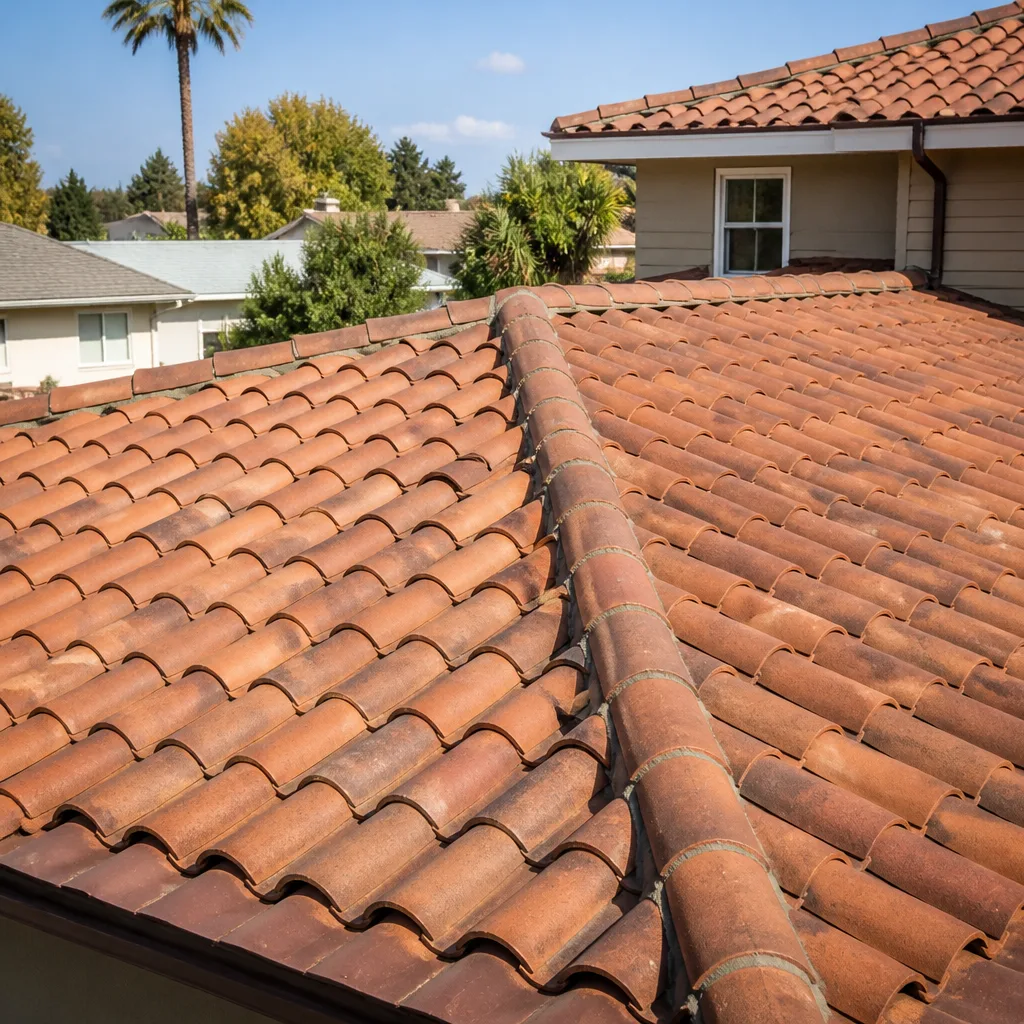
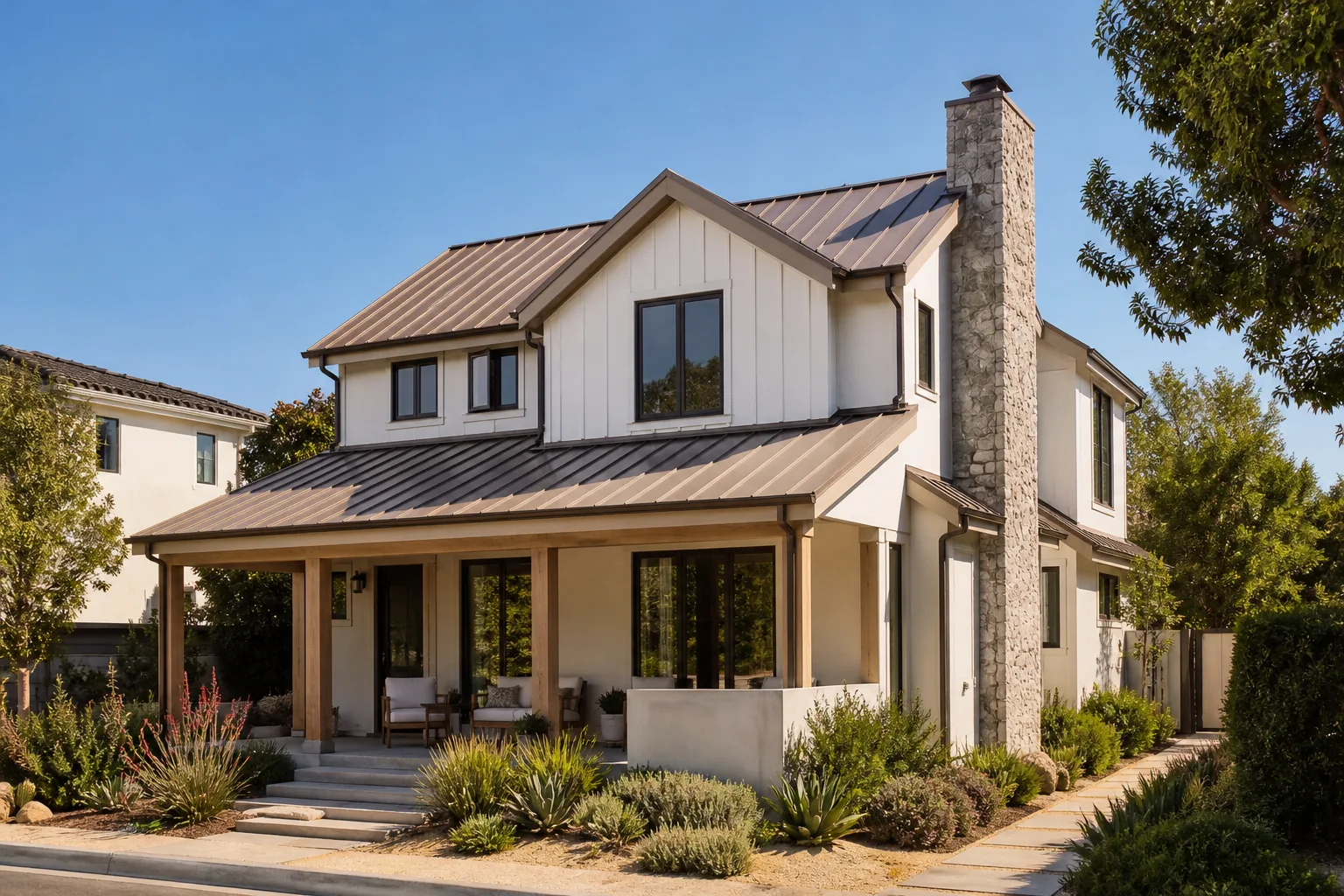
- Tile roofing
- GAF
- Owens Corning
- Flat & low-slope
Table of Contents
- How do roofing brands actually differ from each other?
- The tier system: entry, mid, and premium product lines
- What does “authorized installer” status really mean?
- How brands perform in Sacramento Valley heat and sun
- How to verify a contractor’s claimed brand relationships
- When the product category matters more than the brand
- Shingle, tile, or metal: does brand matter equally across all three?
- Matching a brand to your Elk Grove home
How do roofing brands actually differ from each other?
The honest answer is that the differences are narrower than marketing departments suggest, but they’re real and they’re specific. Most asphalt shingle brands source similar raw materials, use comparable manufacturing processes, and produce a competent roof. Where they genuinely diverge is in three places: the depth of their product tiers, the terms and enforceability of their warranties, and how thoroughly they police the contractors allowed to represent their name.
In our experience working across seven manufacturer lines, the variation between brands at the same tier level is modest. The variation within a single brand, top tier to bottom tier, is large. That’s the fact most homeowners miss.
A few concrete distinctions worth knowing:
- Warranty structures differ. Some brands bundle wind, algae, and workmanship coverage into their premium lines; others split them. A 25-year warranty and a 50-year warranty sometimes describe the same physical shingle sold under different names within one brand’s catalog.
- Algae resistance is line-specific. Copper-infused granules that resist streaking are usually a mid-tier and up feature, not standard on the entry strip shingle. In a valley where roofs bake and dust settles, that matters.
- Color and profile depth vary. If you’re matching an existing architectural look or building new in an Elk Grove neighborhood with a specific aesthetic, the depth of the shingle profile and the color palette per brand become practical constraints, not vanity.
- Manufacturer support structures differ. Some brands offer stronger claim resolution processes than others. That’s hard to verify up front, but it’s worth asking a roofer which brands they’ve had smoother warranty experiences with.
The point: don’t compare brands by logo. Compare them by the specific product line, the specific warranty terms, and the specific installer authorization behind the bid. That’s the framework we’ll build through the rest of this guide.
The tier system: entry, mid, and premium product lines
Every major shingle manufacturer organizes its catalog into tiers, and the tier is what actually determines your warranty length, your wind protection, and your long-term performance. Understanding this is the single most useful skill a homeowner can bring to a roofing bid.
Here’s the general structure across GAF, CertainTeed, Owens Corning, IKO, Atlas, and Tamko:
- Entry tier (typically 25-year range). Three-tab strip shingles and some basic architectural profiles. Thinner, lighter, lower wind ratings, minimal algae protection unless added. Fine for low-slope concealment, budget-limited situations, or a rental property where lowest first cost is the priority. These aren’t bad shingles; they’re just the shallow end of the pool.
- Mid tier (typically 30 to 40-year range). Standard architectural shingles. Thicker mat, better wind ratings, copper-infused algae resistance common, richer color options. This is the workhorse tier for most Elk Grove homes and where a lot of replacements land.
- Premium tier (often marketed in the 50-year range). Premium architectural and designer profiles. Heaviest mat, highest wind ratings in the manufacturer’s lineup, and usually the tier where enhanced warranties and workmanship coverage kick in. The physical shingle is genuinely heavier and thicker.
When two roofing bids quote “GAF” or “Owens Corning” but one number is dramatically lower than the other, they’re usually not quoting the same tier. Ask each bidder for the exact product line name and warranty document. Compare those, not the logos.
The warranty trap most homeowners fall into is assuming brand equals warranty. It doesn’t. A 50-year warranty and a 25-year warranty from the same manufacturer describe different physical products and different enforceable terms. Read the actual document, and match the tier to how long you plan to own the home.
What does “authorized installer” status really mean?
“Authorized installer” means a roofer has met a manufacturer’s requirements to be recognized by that brand, which in turn unlocks access to enhanced warranties the manufacturer won’t extend to unaffiliated installers. It is not the same as “certified contractor,” which generally requires a stricter tier of vetting, training, and volume. Both matter, and both are verifiable.
Whatever tier the contractor holds, the underlying value to you is leverage: enhanced manufacturer warranties often require that an authorized or certified installer performed the work. An unaffiliated crew can still install the shingle, but the enhanced wind, algae, or workmanship coverage may not be available to you. That’s a meaningful gap, especially on a full replacement where you’re buying decades of protection.
What authorized status typically affects:
- Enhanced (not standard) manufacturer warranties. Standard warranties usually travel with the shingle regardless of installer. Enhanced or extended warranties are installer-dependent.
- Workmanship coverage. The part that covers installation errors, which cause a large share of roof failures. This is the coverage most worth demanding.
- Dispute resolution. When an authorized installer files a claim on your behalf, manufacturer processes tend to run smoother than when an unaffiliated roofer does.
Ask each bidder one direct question: “Which specific brand authorization do you hold, at what tier, and will that unlock the enhanced warranty on this product line for my roof?” The answer should be specific, not a vague “we’re an approved contractor.”
If you’re already planning a replacement, you can compare full scope and warranty terms on our roof replacement page, and if you’re building new, the same authorization standards apply to new roof installation.
How brands perform in Sacramento Valley heat and sun
Elk Grove sits in the Sacramento Valley, which means long hot summers, intense UV exposure, and wide day-to-night temperature swings. Roofs here age from sun and thermal cycling more than from anything else. That changes how you should weigh brand choices.
What actually shortens a roof’s life in this climate:
- UV degradation. Granule loss accelerates in high-sun climates, and when the granules thin, the asphalt underneath cures and cracks. Mid-tier and premium lines have denser granule coverage, which slows this process. Copper-infused algae-resistant granules also shield against the black streaking that shows up on sun-baked roofs.
- Thermal cycling. Hot days and cooler nights expand and contract the shingle mat repeatedly. Heavier, thicker shingles handle that cycling better than thin entry-tier products. This is a real reason to move up a tier in the valley rather than a marketing pitch.
- Attic heat and ventilation. A roof’s lifespan here is inseparable from how well the attic breathes. No brand overcomes a poorly ventilated roof deck; brand selection assumes the ventilation is right.
Which brands show better UV and thermal performance? In our experience, the tier matters more than the logo. A premium architectural shingle from Owens Corning, CertainTeed, GAF, IKO, Atlas, or Tamko all hold up well in valley sun when properly installed on a correctly ventilated deck. The premium tier from a mid-tier brand will typically outlast the entry tier from a top-tier brand in this climate. If you’re weighing shingle options specifically, our shingle roofing page breaks down architectural profiles and what makes them last here.
The practical takeaway for Elk Grove homeowners: don’t buy the cheapest line from any brand. Buy the mid or premium tier from whichever brand your installer is fully authorized to warrant. That combination is what survives fifteen hot summers.
How to verify a contractor’s claimed brand relationships
Any roofer can say “we install GAF” or “we’re an Owens Corning contractor.” The claim is easy to make and easy to check. Manufacturer websites list their authorized and certified installers by state and city. Five minutes of verification tells you more than an hour of sales pitch.
Here’s how to cross-reference a claimed brand relationship before you sign anything:
- Get the exact brand and tier name in writing. “We use CertainTeed” isn’t enough. Ask for the specific product line and the warranty document that comes with it.
- Search the manufacturer’s own installer locator. Every major brand (GAF, CertainTeed, Owens Corning, IKO, Atlas, Tamko, Boral) publishes a find-an-installer tool. Enter the contractor’s business name and your Elk Grove address, and see whether the listing matches what they told you.
- Confirm the tier. Authorized installer, certified contractor, and master elite-style designations are different levels. Confirm which one your bidder actually holds, because the enhanced warranty you’re promised tracks the tier.
- Ask for the warranty document, read the installer requirement, and confirm the roofer meets it. This ties the whole loop shut. If the warranty requires a certified installer and your contractor is only listed as an authorized (lower tier) one, the enhanced coverage may not apply.
The point isn’t to catch contractors in a lie. Most local roofers are straightforward. The point is to close the gap between a verbal claim and a document you can hold. When a bidder says “this carries a strong warranty,” your job is to confirm the installer status that makes the warranty enforceable. If you want the pillar breakdown of services and site context, start at Roofing Elk Grove Pros and work outward from there.
When the product category matters more than the brand
This is the part most brand-focused guides skip: sometimes the name on the wrapper is the least important variable. A premium architectural shingle from a tier-2 brand will frequently outperform the budget line from a tier-1 brand, because what fails first is the shingle’s construction, not the badge.
Three situations where category or tier beats brand:
- A premium entry-architectural versus a top-tier three-tab. The architectural shingle from the “less famous” brand is thicker, carries better wind ratings, and typically offers longer warranty terms than the entry strip product from the bigger name. Match tiers, not logos.
- Material system versus brand. If your home’s geometry, slope, and style point to tile or metal rather than shingle, the brand question shifts entirely. A well-known shingle brand may have no tile or metal answer for you, while a specialist that installs all three systems can match the material to the roof. Choosing the right system is a bigger decision than choosing the right brand within a system.
- Warranty-enforceability versus warranty-length. A 50-year badge you can’t enforce is worth less than a 30-year coverage you can. That’s an installer question, not a brand question.
So before brand shopping, decide these three things: the material system, the product tier, and the installer authorization. Only then pick a brand, because the brand should serve those decisions rather than drive them.
Shingle, tile, or metal: does brand matter equally across all three?
Short answer: no, brand dynamics differ by system, and a roofer who only carries one system has less brand leverage to offer you. This is where the breadth of a roofing specialist’s material lineup matters, because your home’s geometry and budget should decide the material, not a supply contract.
- Architectural shingle. The most brand-fragmented category. GAF, CertainTeed, Owens Corning, IKO, Atlas, and Tamko all compete in this space with overlapping tiers and slightly different warranty structures. Brand choice here is genuinely about warranty depth and tier.
- Tile. A narrower field with different players, including Boral for tile systems. Asphalt brand names don’t transfer here, so brand loyalty to a shingle maker is irrelevant if your home’s slope and style call for tile.
- Metal. A different brand universe again, with different panel and finish manufacturers. Longevity, finish warranty, and thermal movement matter more than the shingle brand names most homeowners recognize.
In Elk Grove, a lot of homes can reasonably support more than one system, which means the choice isn’t forced. Aim to work with a roofer who installs all three, so the material decision is yours to make on merit rather than narrowed for you by what the crew happens to carry. Choose your material first, then choose the brand within it.
Matching a brand to your Elk Grove home
Pulling it together, matching a brand to your home is a short, ordered process, not a gut-feel pick from a logo.
- Identify the material system that fits your geometry and budget. Shingle for most pitched residential roofs, tile where style and weight allow, metal where longevity and heat performance are the priority.
- Identify the tier your ownership plan calls for. If you’re selling in a few years, a solid mid-tier raises your value without overpaying. If this is your forever home, premium.
- Shortlist the brands whose authorized installers in your area can offer the tier and the enhanced warranty. That’s where you verify status, not before.
- Get written bids that name the exact product line and attach the warranty document. Compare those documents side by side.
The result of this process is that “best brand” answers itself, because the correct brand becomes whichever authorized brand offers the right tier with enforceable warranty coverage for the material your home needs.
Common Mistakes to Avoid
- Comparing brands instead of tiers. Two bids with different brand names and very different prices are usually quoting different tiers, not different-quality manufacturers. Ask for the exact product line name on each bid.
- Assuming brand equals warranty. The warranty length and terms track the specific product line, not the manufacturer’s reputation. A brand that offers a great warranty on its premium line may offer a thin one on its entry line. Read the document tied to your bid.
- Not verifying installer status. A “we’re an authorized contractor” claim should be checked on the manufacturer’s own installer locator. Skipping this step can cost you the enhanced warranty you assumed you were buying.
- Buying the cheapest line from a big brand for a valley roof. In Sacramento Valley sun and heat, entry-tier shingles age faster than mid-tier products. On a full replacement, moving up a tier is frequently the better value.
- Shopping brand before material. Fixating on a shingle brand before deciding whether tile or metal fits your roof can leave you with a narrow choice driven by the contractor’s supply, not your home.
- Ignoring ventilation because the brand is good. No brand overcomes a hot, poorly vented attic. Insist that ventilation be part of the plan, not an afterthought.
- Committing before reading the installer requirement in the warranty. If the enhanced coverage requires a certified installer and your bidder only reaches authorized tier, the coverage you’re counting on may not apply.
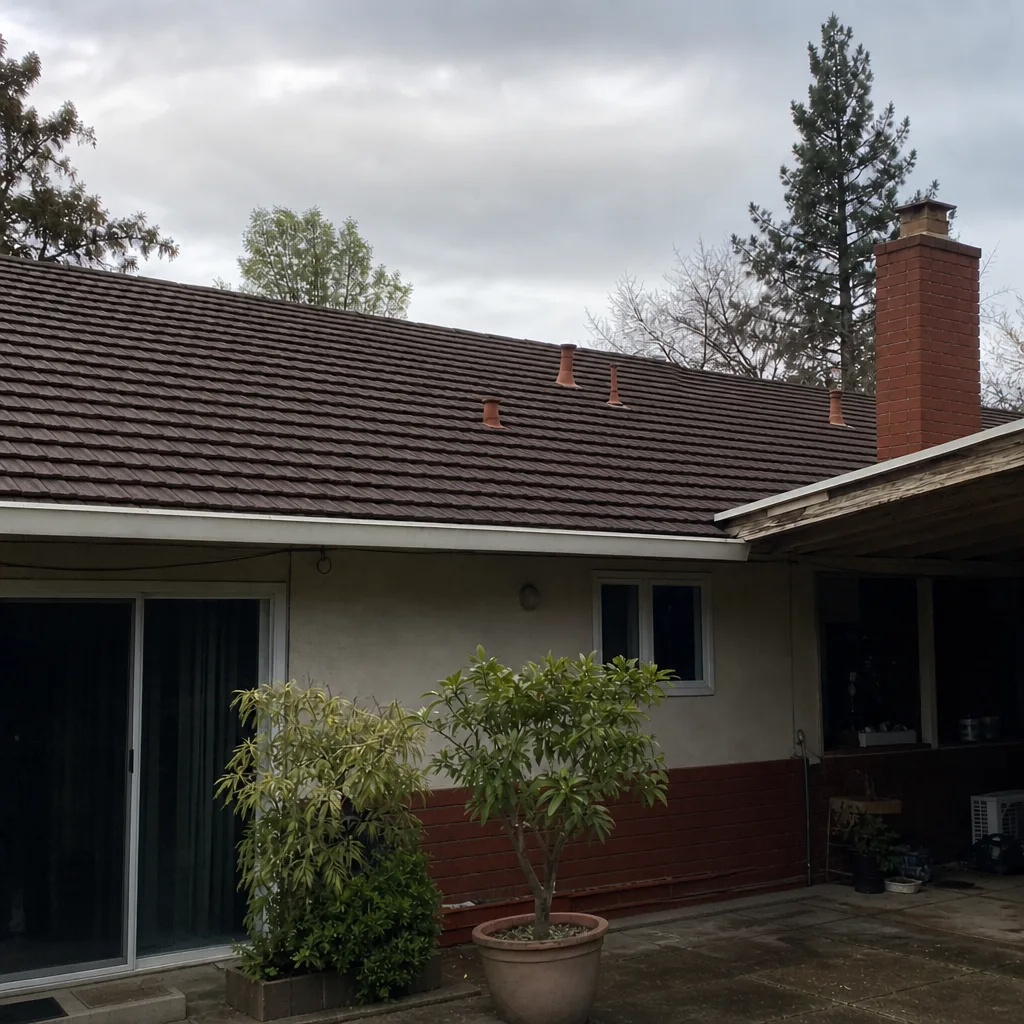
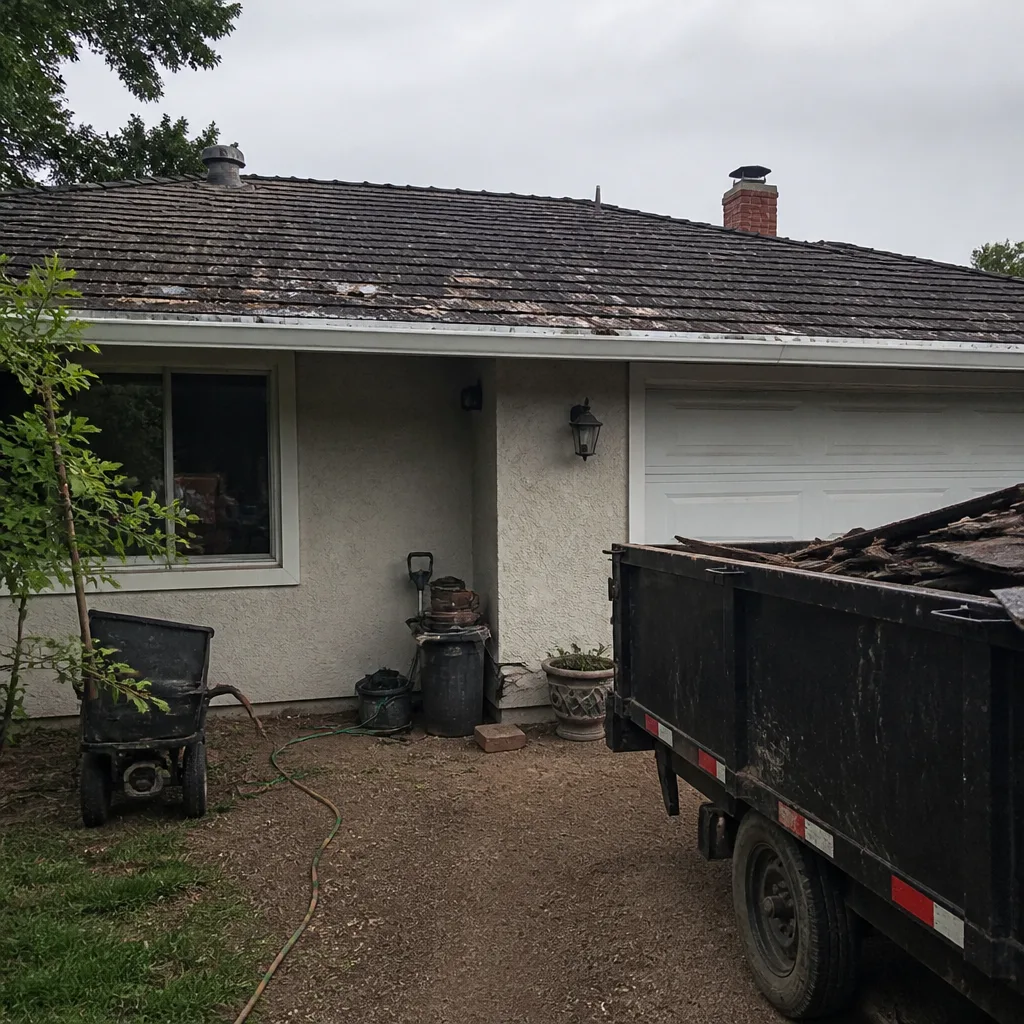
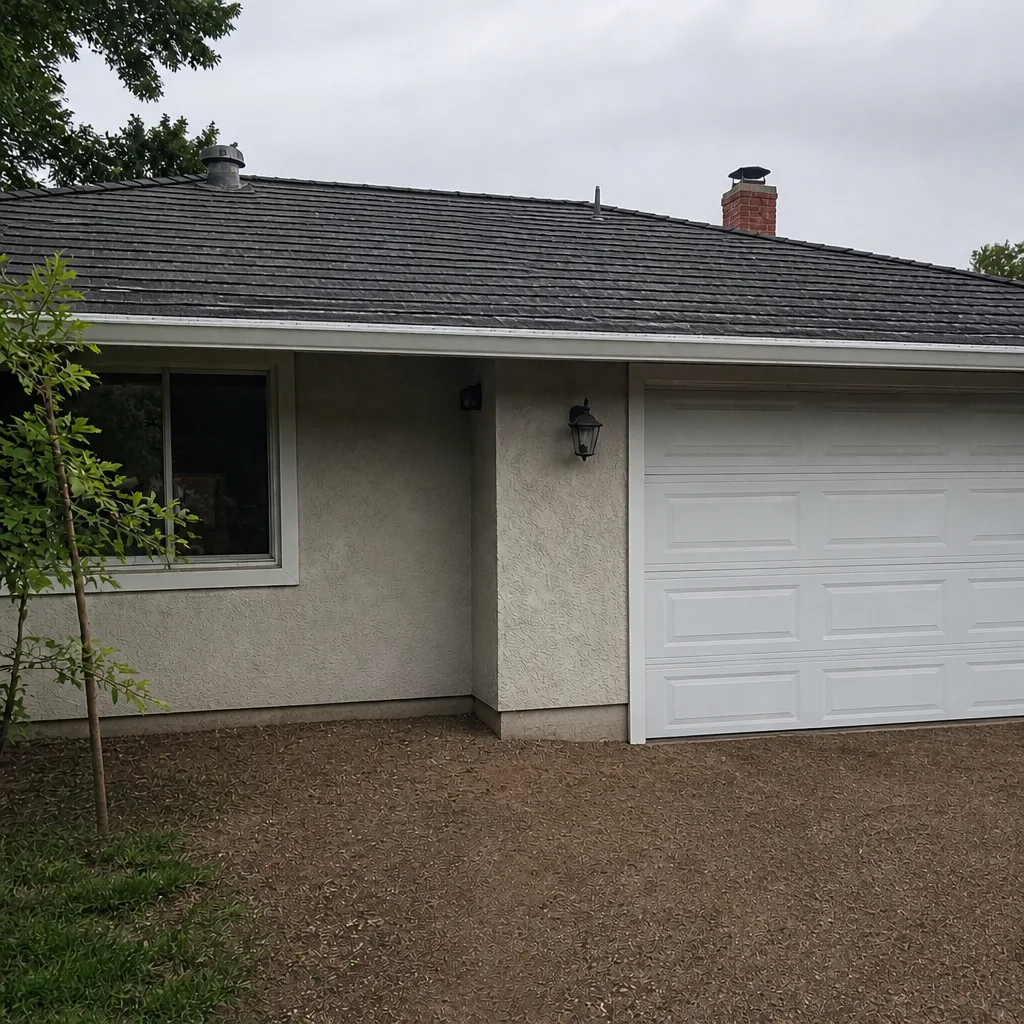
See the difference
 Before
 After
 Before
 After
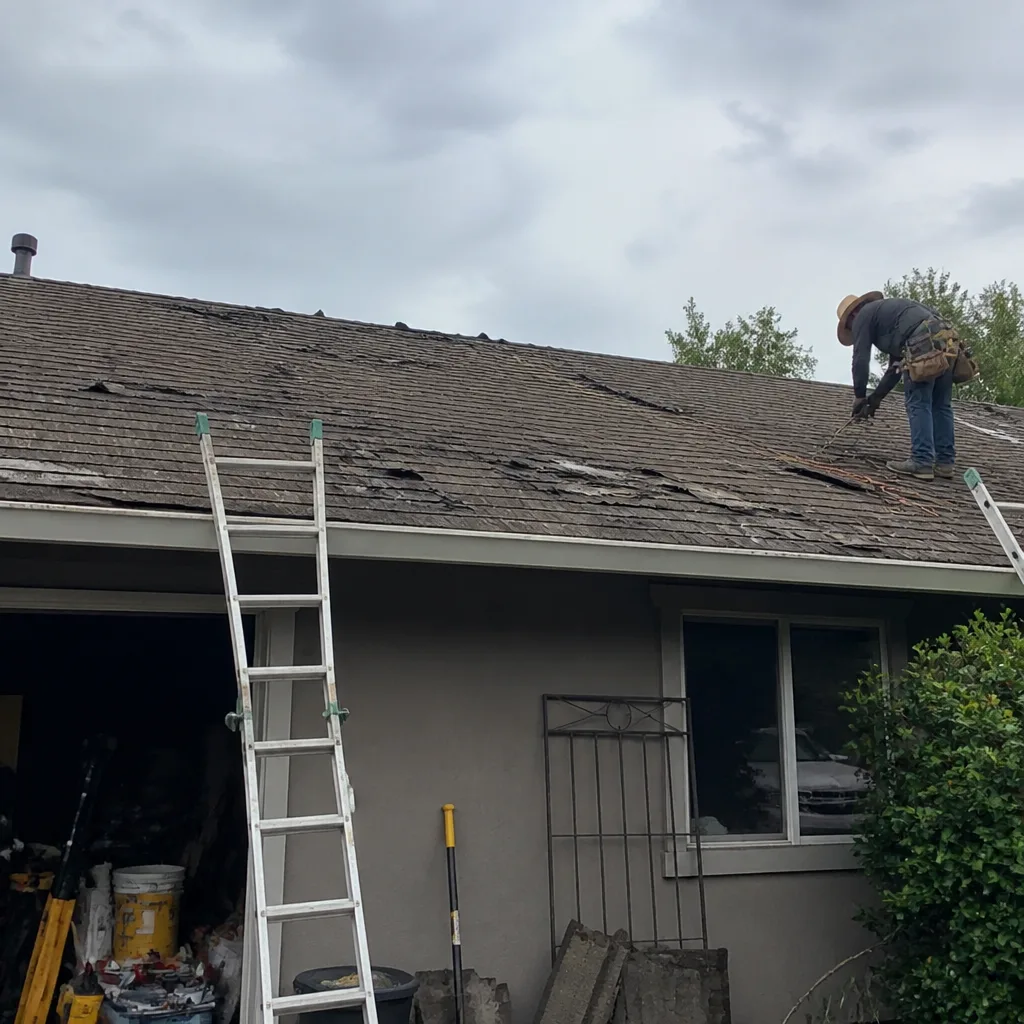 Before
 After
When to Call a Professional
You should bring in a professional roofer when you’re facing a replacement or a new installation, because both are decisions about material system, product tier, and installer authorization, and all three need to be resolved together. Call sooner if you see widespread granule loss, curling or missing shingles, sagging areas, or interior ceiling stains after heavy rain. In the Sacramento Valley, UV damage accumulates quietly, so a professional inspection gives you a straight read on whether your current roof has years left or a replacement year ahead. If you’re building new, get the roofer involved while the drawings are still flexible, so the material selection follows the roof geometry rather than fighting it.
Roofing Elk Grove Pros offers free estimates in Elk Grove. Call (279) 333-8281 to schedule yours.
Frequently Asked Questions
There isn’t one “best” brand, because the right choice depends on the product tier and installer authorization more than the name. GAF, CertainTeed, Owens Corning, IKO, Atlas, and Tamko all make products that perform well in Sacramento Valley sun when you select a mid or premium tier and install it through an authorized installer. Compare exact product lines and warranty documents across bids rather than comparing logos. Call (279) 333-8281 for a free estimate that names the exact line.
Usually yes. Enhanced and workmanship warranties typically require that an authorized or certified installer performed the work; the standard warranty usually travels with the shingle regardless of installer. The practical step is to read the warranty document attached to your bid and confirm the installer meets its requirement. If the enhanced coverage matters to you, verify installer status before signing.
Use the manufacturer’s own find-an-installer tool or website listing, entering the contractor’s business name and your Elk Grove address. Every major brand publishes installer locators. Match what the roofer told you against that listing, and confirm which tier they hold. It’s a few minutes of checking that closes the gap between a verbal claim and an enforceable warranty.
No. What determines lifespan is the product tier and the installation quality, not the badge. A premium architectural shingle from a mid-tier brand can outlast a budget entry-level line from a household name. Match the tier to your home and your ownership plan, then select among brands that let your installer provide enforceable warranty coverage.
Pick the material system first, then the brand. Shingle, tile, and metal each have different brand sets and different performance considerations, and shingle brand names don’t transfer to tile or metal. Choosing the system to fit your roof geometry and budget keeps the brand decision in its proper place. Choose your material, we install all three.
No, the price is set per job by the written estimate. A proper bid names the exact product line, the material system, and the warranty document it comes with, so there’s nothing left to reprice mid-project. Get the written line-item quote and compare it on the product tier, not just the bottom line. Call (279) 333-8281 for a free estimate.
The Bottom Line
Brand selection in roofing is really tier selection plus installer verification. The same manufacturer makes shingles that carry very different warranties depending on which product line you buy and whether the installer is sufficiently authorized to offer the enhanced coverage. In Elk Grove’s hot, high-UV climate, moving up a tier matters more than the logo on the wrapper. So decide the material system first (shingle, tile, or metal), then the tier, then verify your installer against the manufacturer’s own listing. Brand becomes a secondary concern once those three are resolved, and the right roofer carries the breadth to let you choose on merit.
Roofing Elk Grove Pros handles both new roof installations and full replacements across shingle, tile, and metal. We’ve built a lineup around letting the material follow your home rather than a supply contract. Call (279) 333-8281 for a free estimate. We answer 24/7, and fast dispatch runs from 7am to 7pm, Sunday through Friday.
Written by the team at Roofing Elk Grove Pros.