Last updated November 25, 2026

Free roof inspection with deck photos before we talk money - GAF and Owens Corning certified installation
DIY vs Professional Roofing: The Elk Grove Homeowner’s Decision Guide
Here’s the part most DIY guides skip: in California, a homeowner can legally pull an owner-builder permit and roof their own house. So the question isn’t whether you’re allowed. It’s what you give up when you do. Do-it-yourself roofing quietly voids manufacturer material warranties and can leave a coverage gap on your homeowner’s insurance that outlasts the roof itself. That’s the trade nobody mentions at the lumber yard. This guide walks through what California law actually requires, how warranties and adjusters treat self-installed roofs, and what a realistic DIY budget looks like for a 2,000 square foot home in Elk Grove once you count tools, time, and dump fees honestly.
Quick Answer
Professional roofing is the better choice for most Elk Grove homeowners because self-installation voids the material warranty on nearly every major brand and can complicate future insurance claims, even though California law lets you do the work yourself. DIY makes sense only for small, non-structural tasks like sealing flashing or maintaining gutters. For a full replacement, the warranty and insurance exposure usually outweigh the labor savings.
Styles & brands we work with
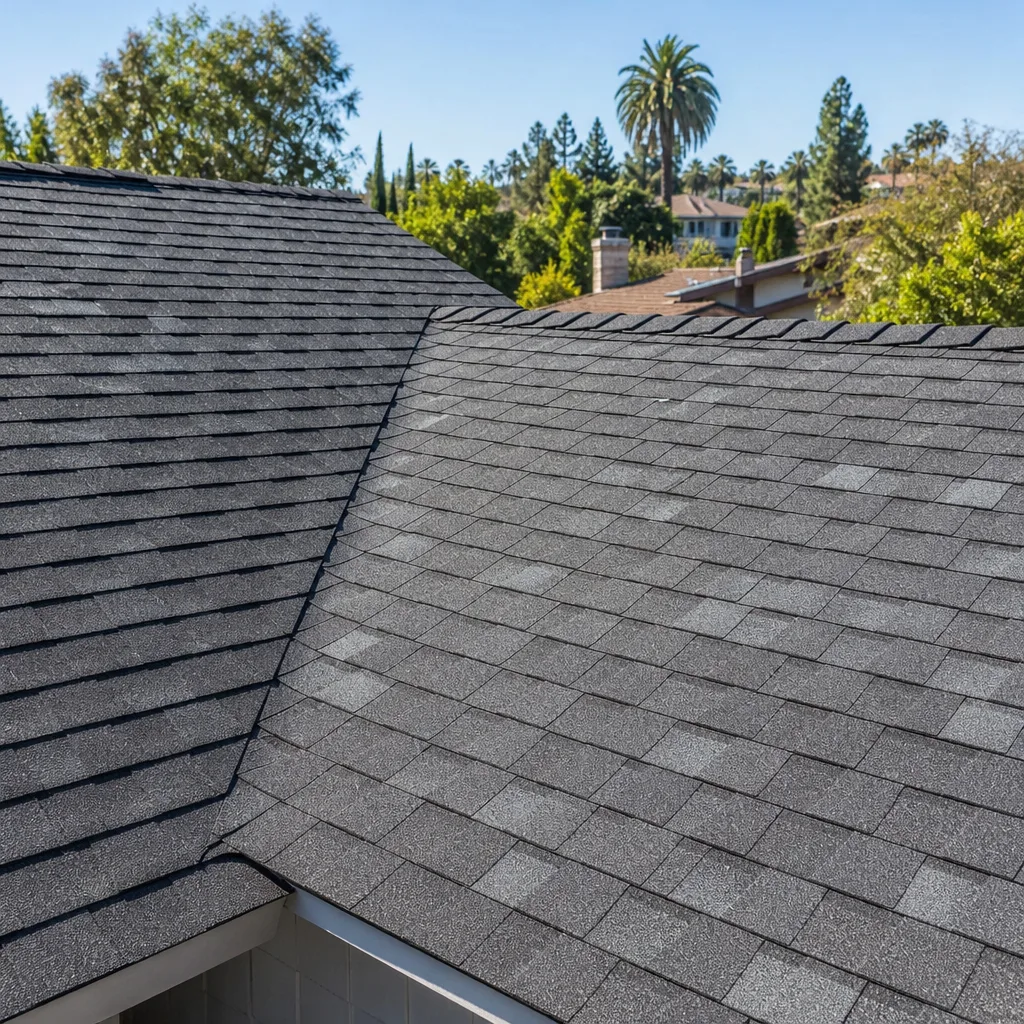
- Architectural shingles
- Metal roofing
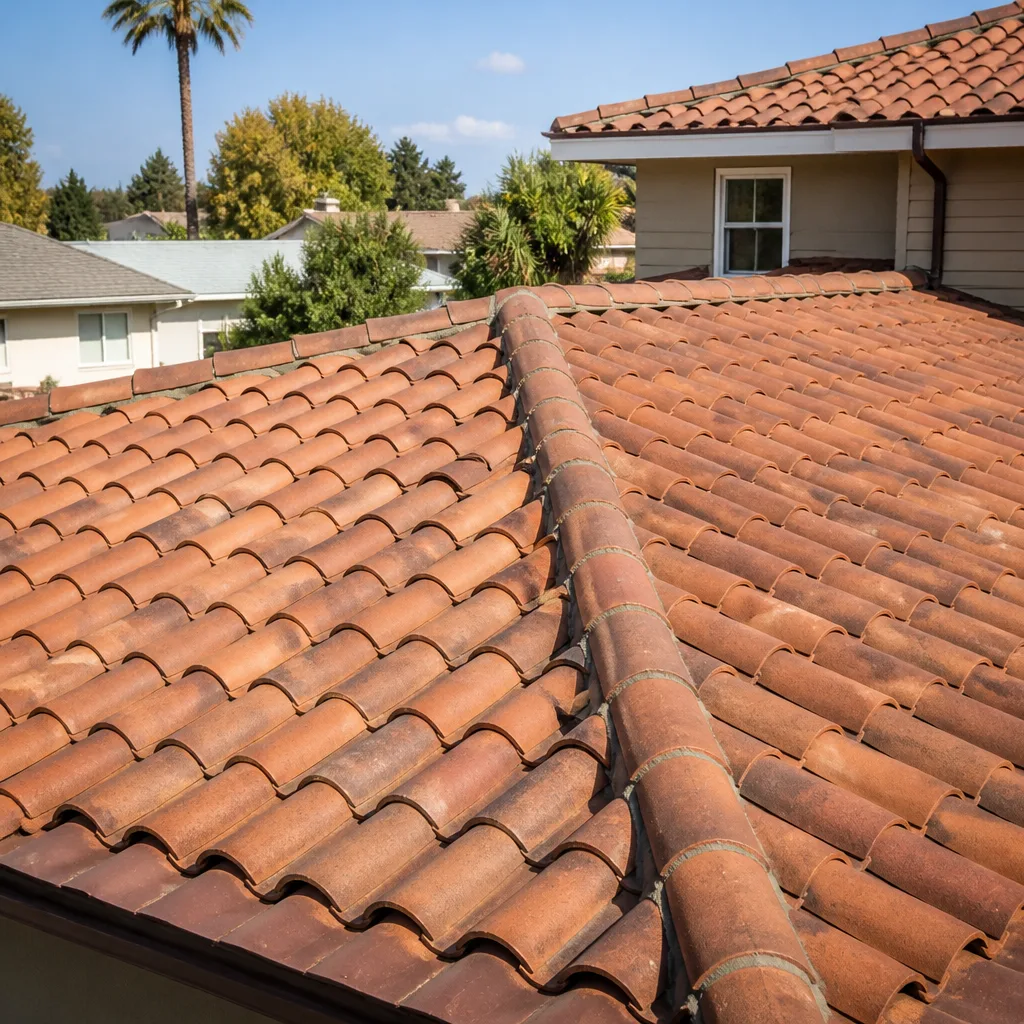
- Tile roofing
- GAF
- Owens Corning
- Flat & low-slope
Table of Contents
- What California Law Says About DIY Roofing
- Why DIY Voids Most Manufacturer Warranties
- Realistic DIY Cost vs Professional Cost in Elk Grove
- How Insurance Adjusters Treat DIY Roof Work
- What DIY Is Legitimately Good For
- A Decision Framework: Should You DIY or Hire?
- Common Mistakes to Avoid
- When to Call a Professional
What California Law Says About DIY Roofing
California allows a homeowner to perform roofing work on their own residence under an owner-builder permit. You apply through the local building department, act as your own general contractor, and take on the legal responsibility that normally falls to a licensed contractor. For a roof, that means pulling the permit yourself, scheduling inspections, and meeting the same code requirements a professional would.
What surprises a lot of homeowners is the disclosure requirement that follows the property. When you sell a home where owner-builder work was performed, California requires you to disclose that the work was self-performed. That disclosure can affect negotiations, buyer financing, and in some cases whether a lender will fund the sale at all. It attaches to the property’s history, not to you personally. The buyer’s inspector will see the permit record, and the conversation that follows is one you can’t easily walk back.
The other sticking point is inspections. Roofing code in California covers underlayment type and attachment, flashing details, ventilation ratios, and fastening schedules that differ by material. Passing inspection isn’t a formality. If your work fails, you correct it and schedule a reinspection, which can stretch a project across weeks of weather risk.
None of this makes DIY illegal. It makes it a formal legal role with ongoing consequences. Before you decide, call your city’s building department and ask exactly what an owner-builder roof permit requires in your situation. That one call tells you more than any forum thread.
Why DIY Voids Most Manufacturer Warranties
Almost every major roofing manufacturer writes its material warranty around professional installation. The reasoning is straightforward: a manufacturer can’t back a thirty-year shingle without any control over how it was fastened, whether underlayment was correctly lapped, or how the valleys were flashed. So the warranty language requires installation by a properly licensed contractor, and self-installation typically voids the material coverage.
Here’s why that matters more than it sounds. If you install a batch of GAF or CertainTeed shingles yourself and one fails prematurely, the manufacturer’s position is usually that the failure can’t be separated from the installation. You end up covering the replacement out of pocket, including tearing off your own work. That turns what looked like a labor savings into a far larger future cost.
Professional installation works the other way. We install systems from brands like CertainTeed and Owens Corning, and several of those manufacturer lines offer product warranties that can transfer to a new owner when the home sells. That transferability is often the difference between a roof that adds sale value and one that raises questions during a buyer’s inspection.
It helps to think about what a warranty actually covers:
- Material coverage – the shingles, tiles, or panels themselves, tied to proper installation.
- Workmanship coverage – the labor behind the install, which a professional offers on their own work.
- Transferability – the ability to pass remaining coverage to a buyer, which usually requires documented professional installation.
A DIY roof walks away from all three. That’s a real cost, just one that shows up years later instead of on the invoice.
Realistic DIY Cost vs Professional Cost in Elk Grove
DIY roofing almost always looks cheaper on paper than it costs in practice. The gap comes from tools, disposal, and time. Most homeowners calculate shingle bundles and call it a day. The honest comparison for a 2,000 square foot home in Elk Grove includes the equipment you’ll buy or rent, the dumpsters and disposal fees, the permit, and your own labor valued at what your time is worth.
Here’s a side-by-side breakdown of what each path typically involves:
| Cost Category | DIY Approach | Professional Approach |
|---|---|---|
| Materials (shingle) | Purchased at retail | Purchased at contractor pricing, passed into the quote |
| Tools and equipment | Buy or rent nailers, ladders, safety gear, dump trailer | Included; no homeowner equipment outlay |
| Disposal | Dumpster rental and disposal fees out of pocket | Built into the waste removal line of the estimate |
| Permit | Homeowner pulls and pays | Pulled on your behalf as part of the scope |
| Warranty | Voided on materials | Material and workmanship coverage |
| Time | Weeks of your evenings and weekends | Handled by the roofing crew |
| Insurance | Your policy is the safety net | Contractor carries coverage |
The line that flips the math for most people is the tools and disposal row. A trailer, nailers, safety harnesses, and debris removal can eat a large share of the apparent savings before a single shingle goes down. Add the permit and the lost material warranty, and the “cheaper” DIY route is often more expensive once the roof is complete.
We see this every time we quote a roof replacement in Elk Grove. The homeowner’s own spreadsheet rarely includes the dumpster or the harness. A written line-item estimate does, so you’re comparing complete costs rather than one column of them. Free estimates are the easy way to see the true professional number for your roof.
How Insurance Adjusters Treat DIY Roof Work
Insurance adjusters look at roof claims differently when prior work was self-performed. The adjuster’s job is to figure out whether damage came from a covered event or from faulty installation or maintenance. A professionally installed roof with a permit and inspection record makes that determination clean. A DIY roof makes it murky, and murky often resolves in the insurer’s favor.
The documentation burden lands on you. If a storm causes interior water damage and your insurer asks how the roof was installed, you’ll want a paper trail that shows code-compliant work. Without it, a claim can be reduced or denied on grounds that poor installation contributed to the loss. That’s the coverage gap the opening of this guide points to: it doesn’t show up when you install the roof, it shows up years later when you need the policy to respond.
What protects you is the same paperwork a professional install produces:
- Permit records showing the work was properly authorized and inspected.
- Inspection sign-off confirming the installation met code at the time.
- Manufacturer warranty documentation tying the materials to a professional install.
- Written scope of work describing exactly what was replaced and how.
Keep those documents with your home records. If you ever sell or file a claim, they’re the first thing you’ll be asked for. A licensed contractor is vetted by the state, carries coverage, and hands you these records as a matter of course. That’s part of what you’re paying for.
What DIY Is Legitimately Good For
Not every roofing task needs a contractor, and we’ll be the first to say so. There’s a clear line between maintenance you can handle and structural work that belongs to a professional. Knowing where that line sits saves homeowners both money and risk.
These tasks are reasonable for a careful homeowner:
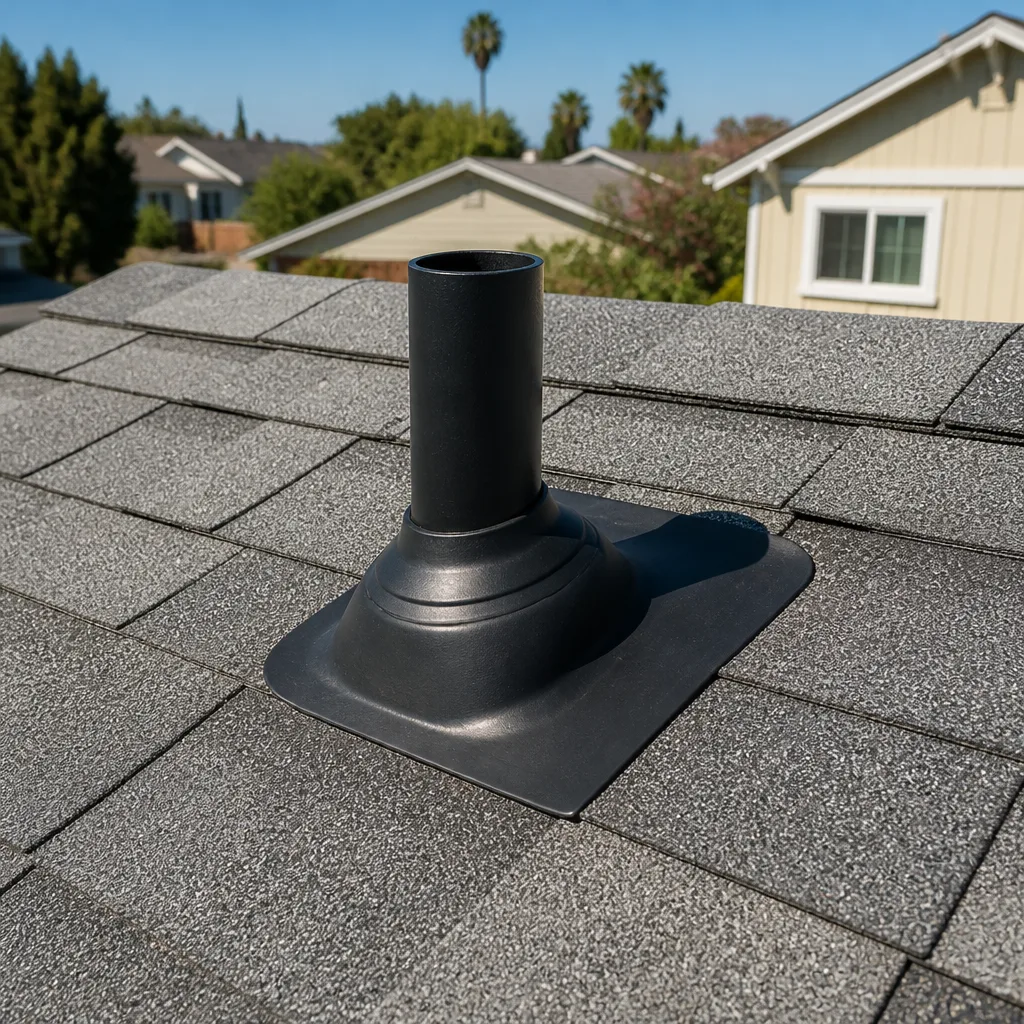
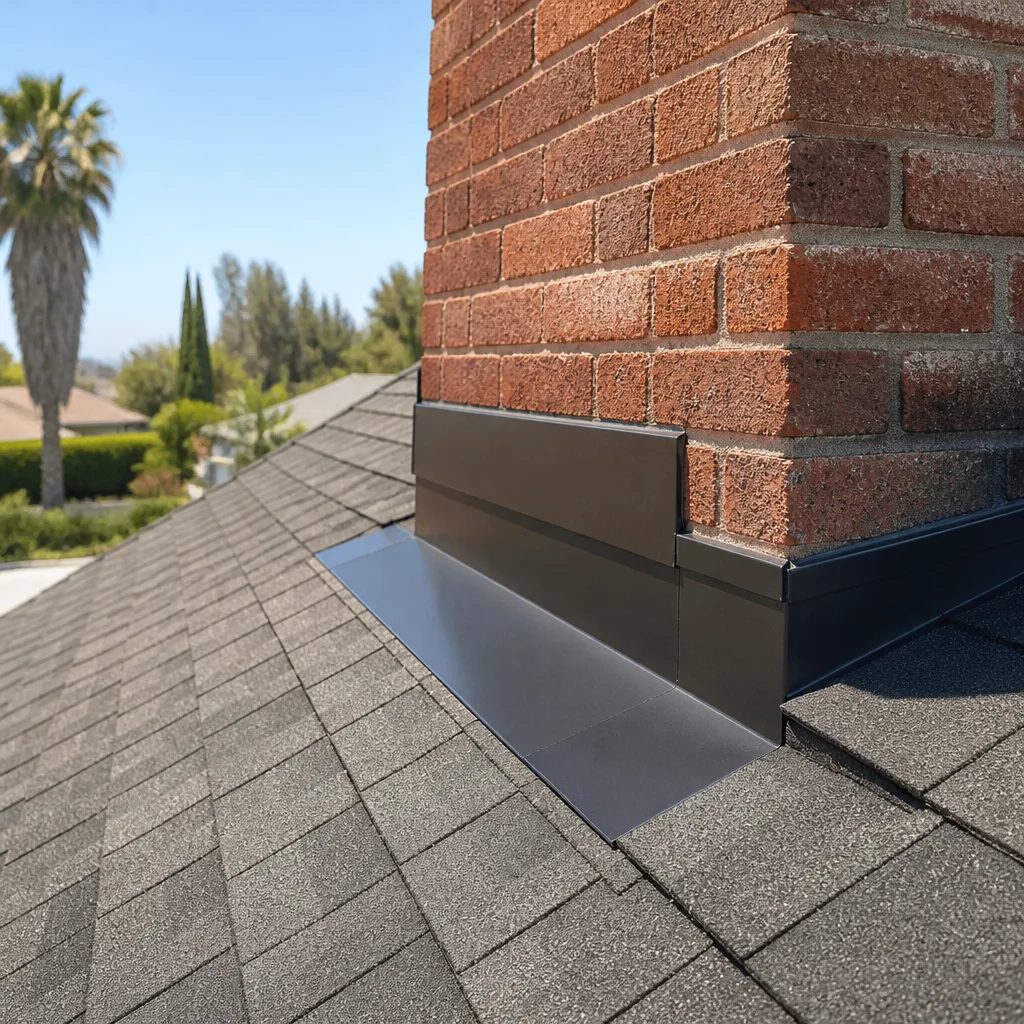
- Sealing flashing with caulk – refreshing sealant around vents and chimneys that hasn’t failed or separated.
- Gutter cleaning and maintenance – removing debris and checking that downspouts drain away from the foundation.
- Replacing a loose shingle or tile that hasn’t torn the underlying underlayment.
- Minor trim and paint touch-ups on fascia unaffected by rot or water intrusion.
Anything that penetrates the roof field, involves underlayment, or requires walking the roof slope is a different category. That’s where falls happen, where warranties break, and where small leaks become large repairs. Our technicians have up to 12 years of experience on these surfaces, and even they treat a steep pitch with respect. If a task requires stepping onto the roof, ask whether it’s worth the risk and the warranty exposure before you start.
For routine maintenance that touches original materials, follow the manufacturer’s care instructions and use compatible products. Off-brand sealants can react badly with certain shingle or membrane surfaces. When in doubt, ask before you apply.
A Decision Framework: Should You DIY or Hire?
The smart choice depends on the scope of work, not on how handy you feel. Walk through these questions in order. The first one that points to structural work is your answer.
- Does the work penetrate the roof field? If yes, that’s professional territory. Shingle, tile, and metal all require correct flashing and fastening to stay watertight.
- Does it require walking the slope? If yes, factor in fall exposure and whether you have proper safety gear. Height is the single biggest DIY roof risk.
- Will you need a permit? A full replacement usually requires one, and an owner-builder permit puts you in the contractor role.
- Does warranty coverage matter to you? If yes, professional install is the path that keeps it.
- Are you planning to sell in the next few years? If yes, self-performed work triggers a disclosure on the property, and buyers ask about it.
- Is the task routine maintenance? If yes, and it doesn’t touch underlayment or the roof field, DIY is reasonable.
If you answered yes to the first, second, or third question, that’s your answer. Everything after is confirmation. If the work is minor maintenance, handle it yourself and save the professional call for something bigger.
One more angle worth weighing: material choice. A professional who installs all three main systems, shingle roofing, tile, and metal, can tell you which one suits your home, your budget, and the local climate. That’s information you can’t get from a pallet at the supply yard.
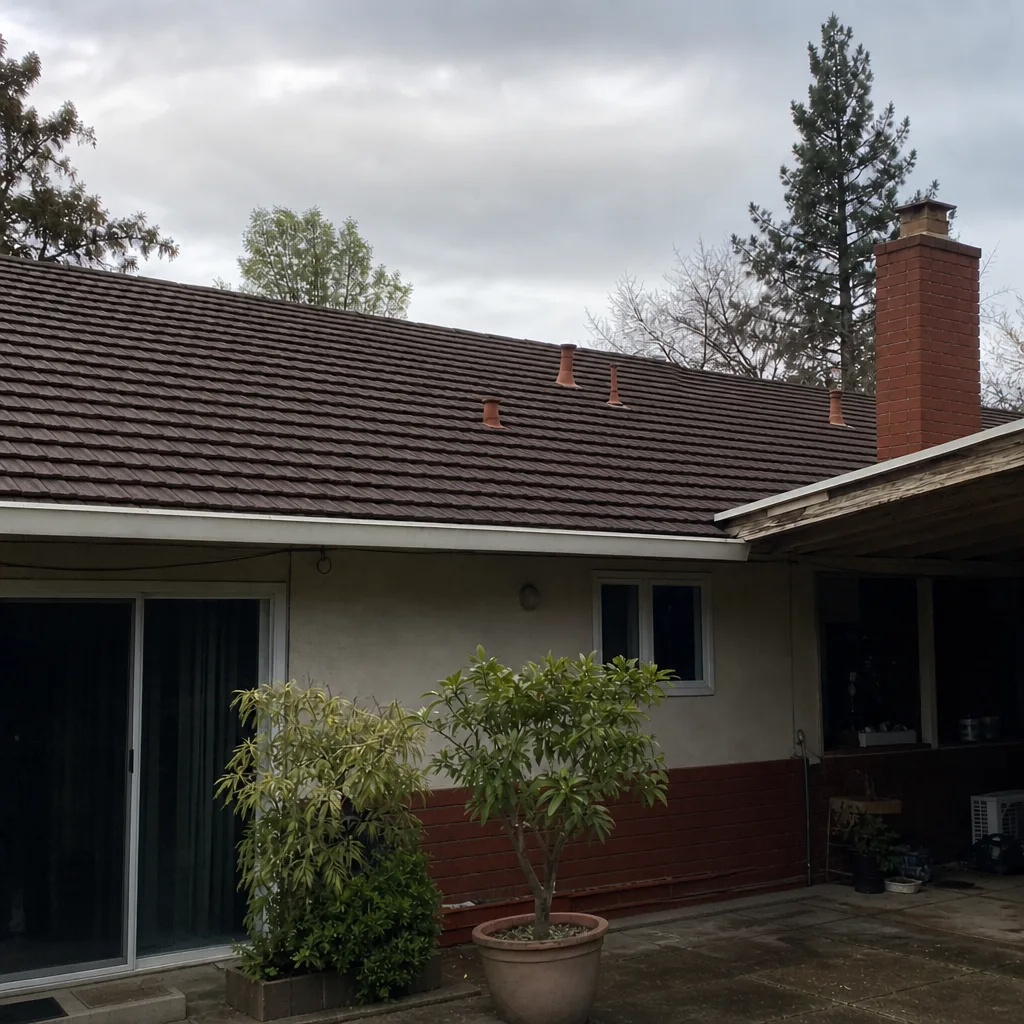
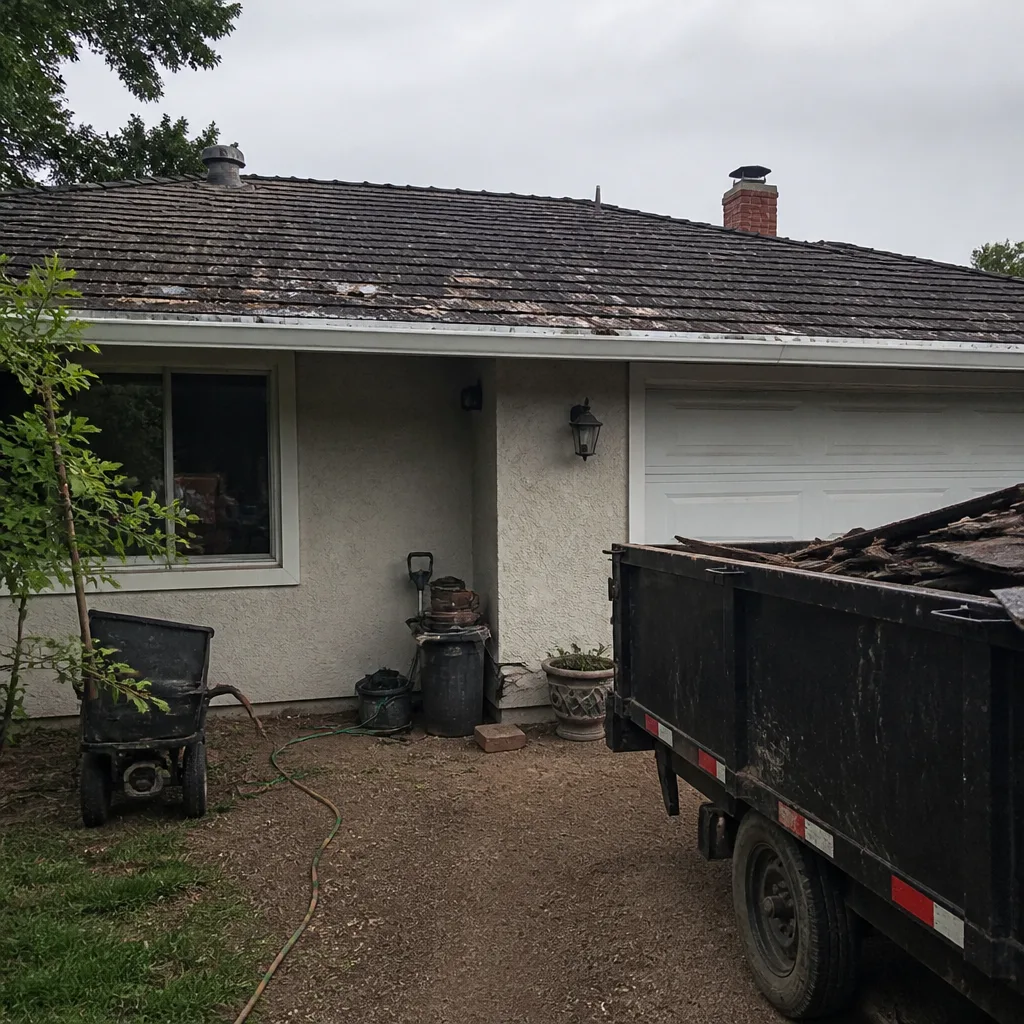
See the difference
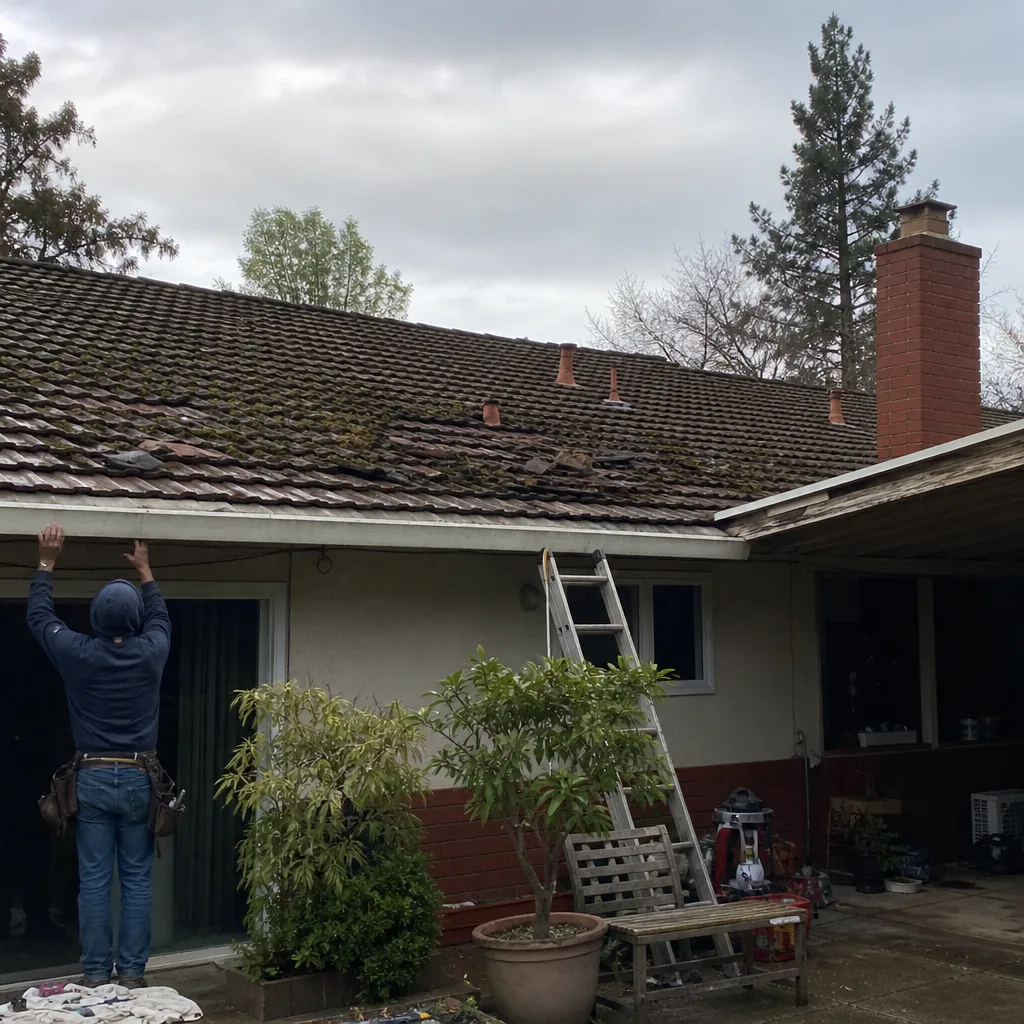 Before
 After
 Before
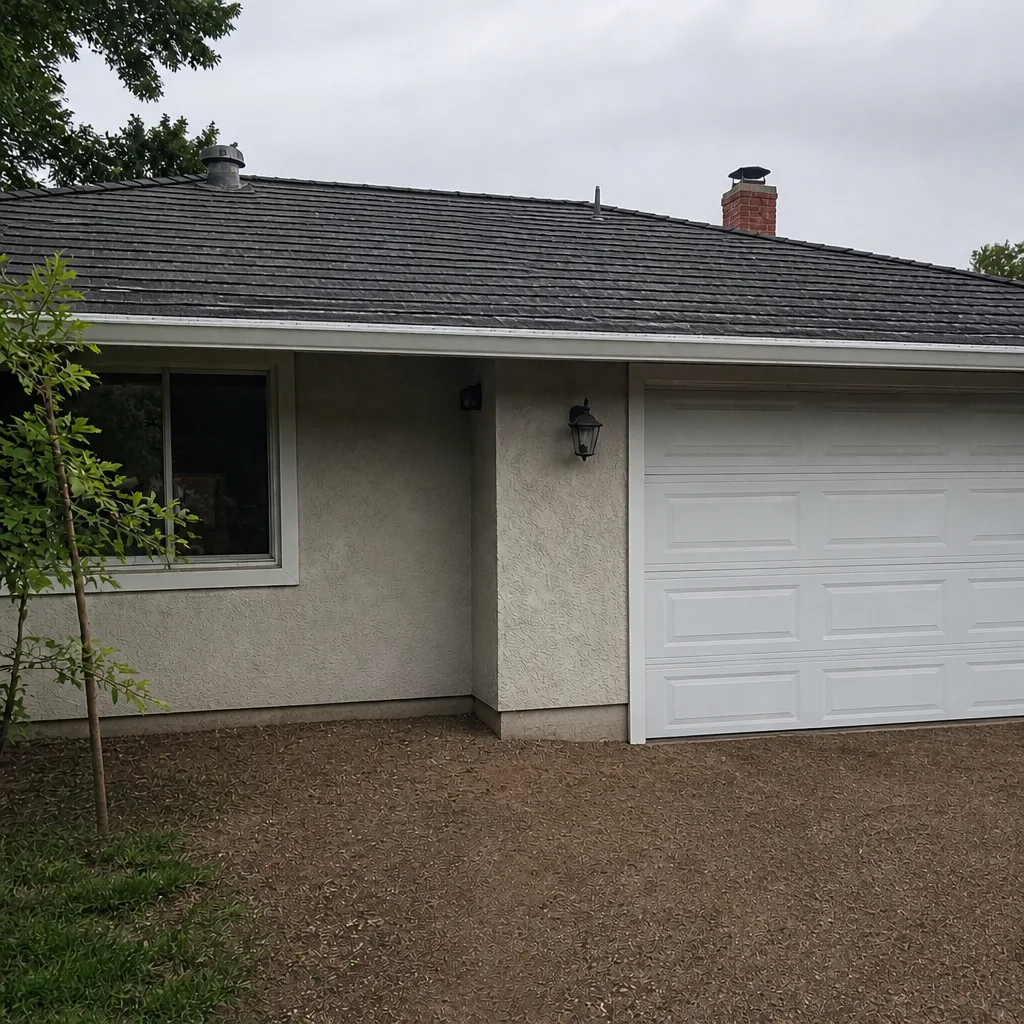 After
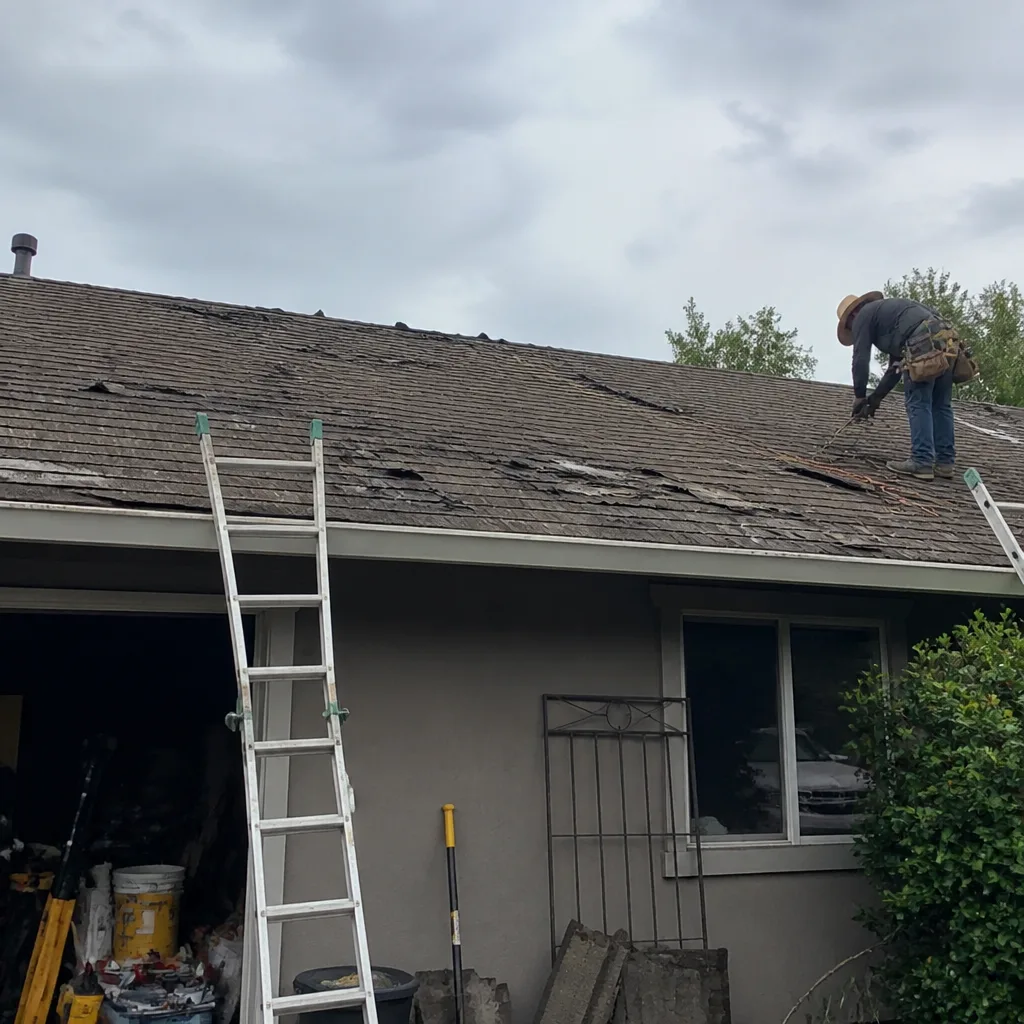 Before
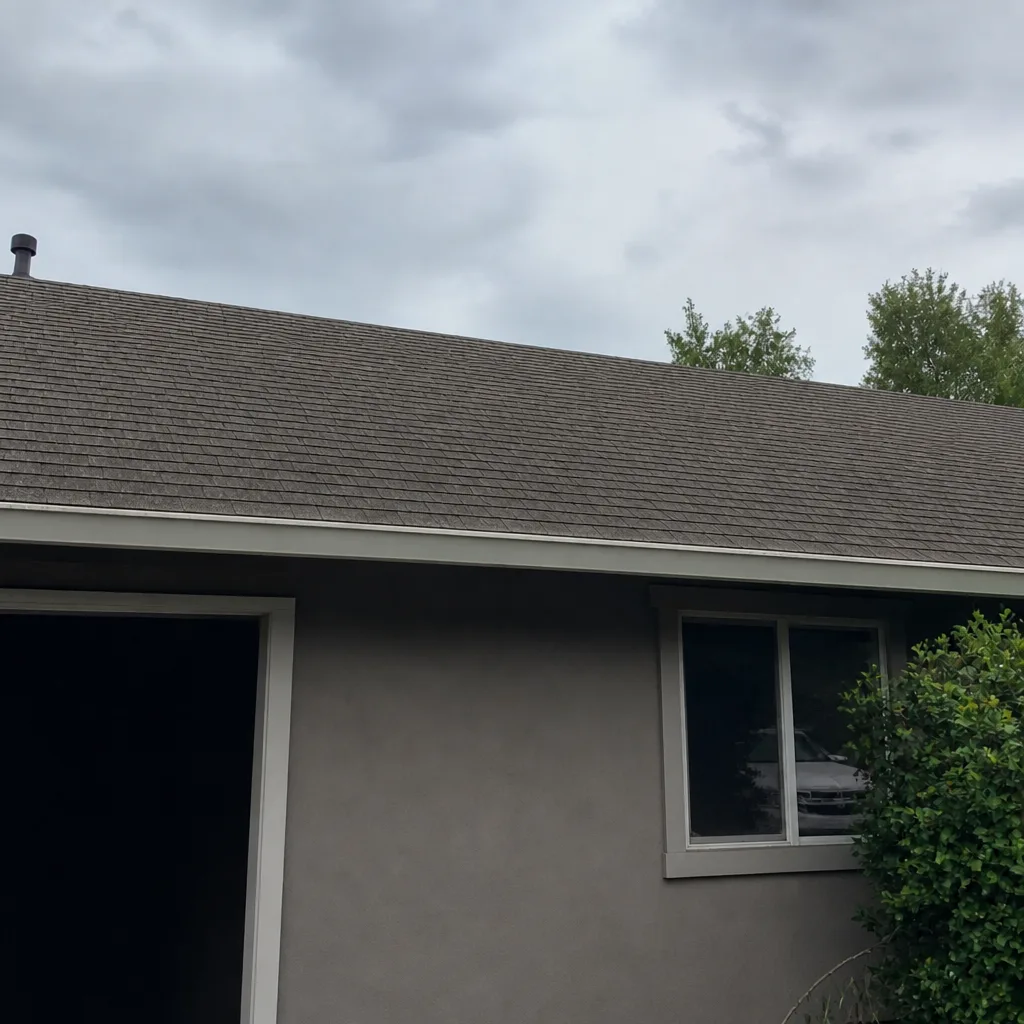 After
Choosing the Right Material Matters as Much as Who Installs It
The DIY versus professional debate tends to overshadow a separate question: what’s actually going on the roof? Elk Grove’s hot, dry summers and mild winters put a lot of sun exposure and thermal cycling on a residential roof, and the material you choose determines how well the surface handles that. Shingle, tile, and metal each perform differently here, and each has its own warranty structure and installation standards.
A professional roofer isn’t just labor. A good one helps you match material to the home, the budget, and what you’ll be living with for decades. We carry seven manufacturer lines, so the right roof for your home isn’t decided by a single-supplier contract. That matters when a homeowner is choosing between architectural shingles from GAF or IKO and a tile or metal system, because each path has different cost, lifespan, and maintenance trade-offs.
Here’s how the three systems tend to sort out for Elk Grove homes:
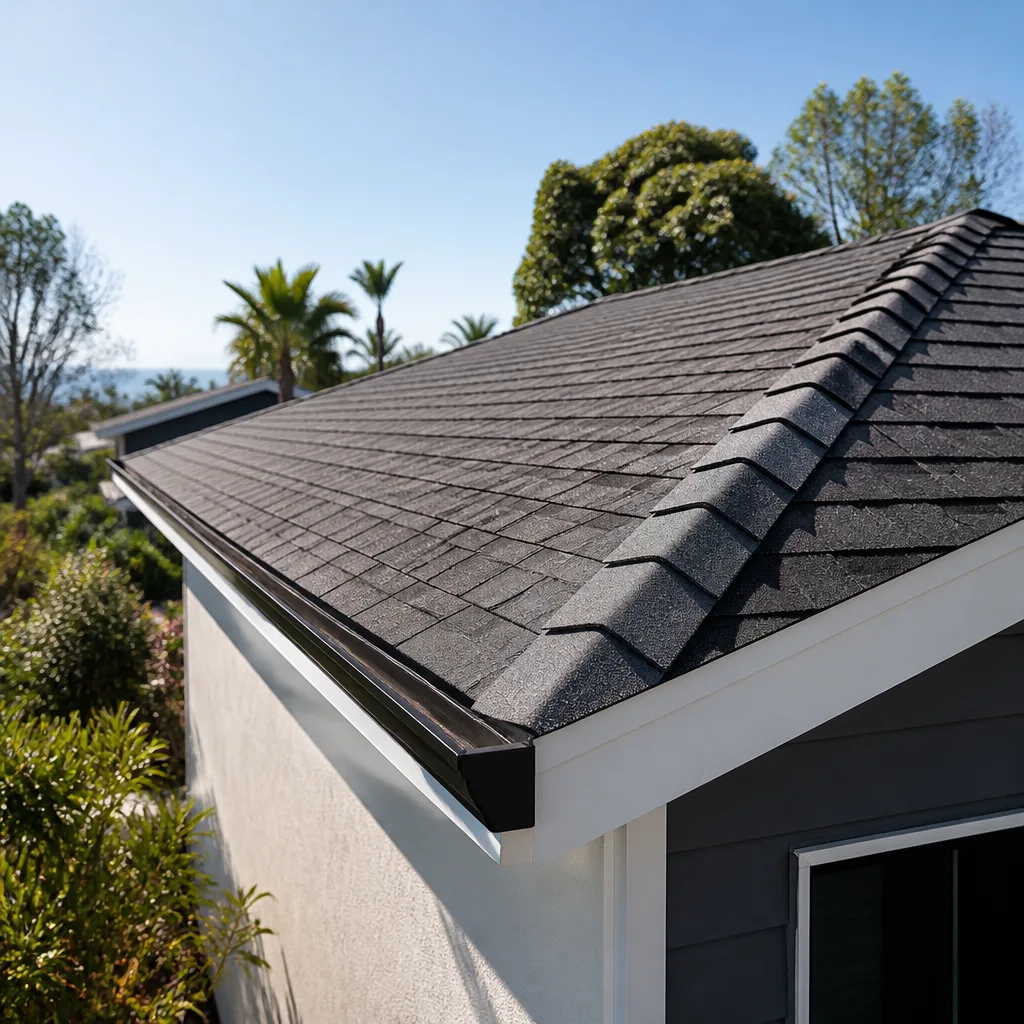
- Architectural shingle – the most common residential choice, with a broad range of styles and manufacturer warranty options.
- Tile – heavier and longer-lived, well suited to certain architectural styles and requiring structural support.
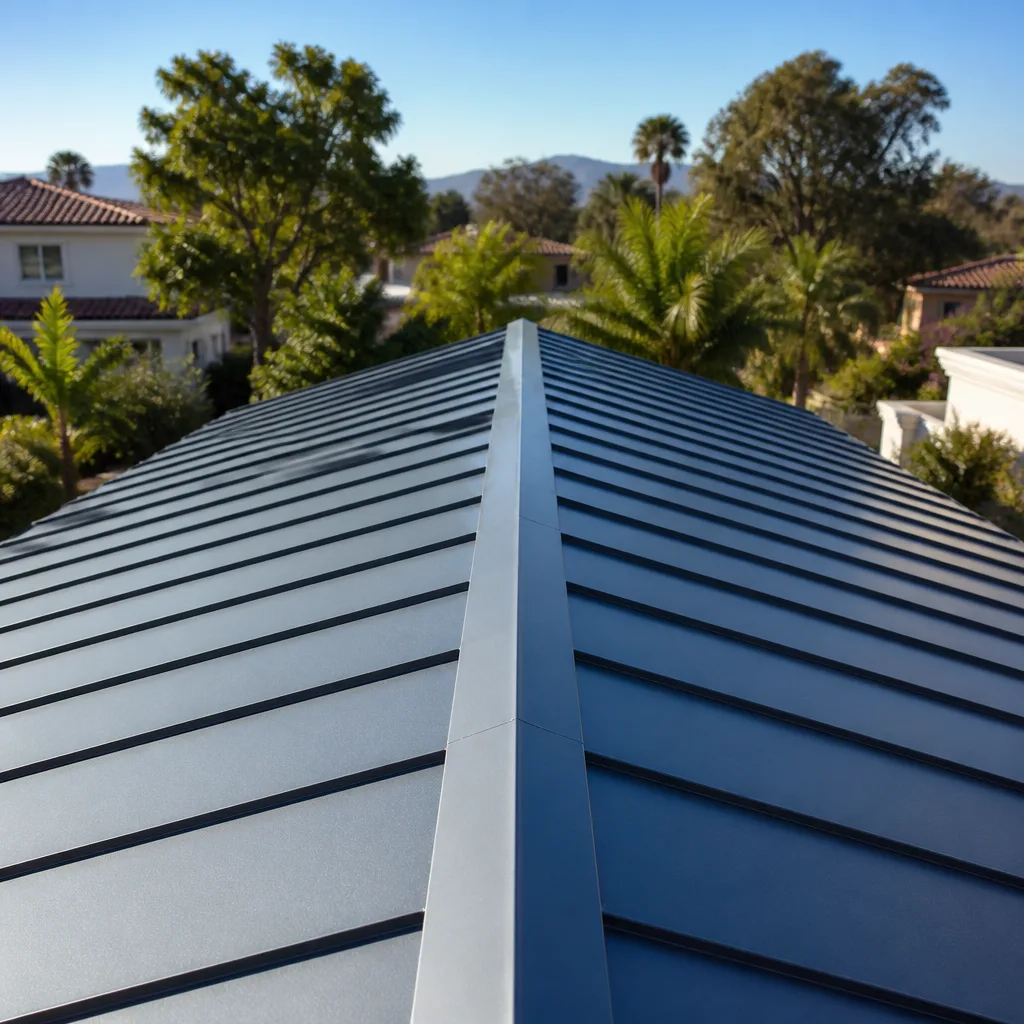
- Metal – durable and reflective, effective at handling sun exposure and a different aesthetic.
If you’re building new or replacing an existing roof, a new roof installation conversation should include all three. A contractor limited to one material can’t give you that comparison, and it’s often the difference between a roof that fits the home and one that just covers it.
Common Mistakes to Avoid
- Assuming DIY saves money without accounting for tools and disposal. A dumpster, nailers, safety gear, and debris fees can consume most of the apparent savings on a full replacement in Elk Grove.
- Skipping the permit to save a step. An unpermitted roof is a red flag at resale, and buyers and lenders will ask. Ask your city’s building department what’s required for your project.
- Not reading the warranty before starting work. Self-installation voids most major manufacturer material warranties, and you only learn that after you need a claim.
- Ignoring the insurance exposure. A roof with no permits or inspection records can complicate a future claim, and you may not find out until the adjuster is on your property.
- Underestimating the weather window. Elk Grove’s dry season is forgiving, but open roof sections exposed to a rain event are a fast path to interior damage. A professional crew plans around the forecast.
- Forgetting the disclosure requirement at resale. Owner-builder work must be disclosed, and that conversation can affect a sale.
- Treating a steep pitch like a flat one. Falling off a roof is the most serious risk in this work. If you’re not comfortable on the slope with proper safety gear, stay off it.
When to Call a Professional
Call a professional when the work involves walking the roof slope, penetrating the roof field, replacing more than a single shingle or tile, or restoring warranty and insurance protection. That covers full replacements, any new roof installation, storm or impact damage that opens the roof field, and anything requiring a permit. It also covers situations where the underlying underlayment is damaged, since that’s structural rather than cosmetic. Minor maintenance like caulking flashing or cleaning gutters doesn’t require a call, but the moment a task becomes structural, it does. Height and high-tension components are not the place to test your skills. Roofing Elk Grove Pros offers free estimates in Elk Grove, so call (279) 333-8281 to find out what your project actually costs before you decide.
Frequently Asked Questions
Yes, California law allows a homeowner to perform roofing work on their own residence under an owner-builder permit issued by the local building department. You take on the contractor’s responsibilities, including pulling the permit and passing inspections. The trade-off is warranty and insurance exposure, and a disclosure requirement that follows the property when you sell. Call your city’s building department to confirm the exact requirements for your project.
Yes, in most cases. Major manufacturers write their material warranties around professional, licensed installation, and self-installation typically voids the coverage. That means a premature failure on your own work is usually on you. Professional installation from brands like CertainTeed and Owens Corning keeps the material warranty intact, and several lines offer warranties that can transfer to a new owner when the home sells.
It may, but the claim process gets harder. Adjusters treat self-installed roofs differently because they can’t verify the work met code. Without permit and inspection records, a claim can be reduced or denied. Document every step, keep the permit and inspection sign-off, and store the records with your home files. A professionally installed roof comes with that paperwork built in.
For minor maintenance, yes. Sealing flashing, cleaning gutters, replacing a single loose shingle, and touching up paint are reasonable for a careful homeowner. For a full replacement or anything penetrating the roof field, the tools, disposal, permit, warranty, and insurance costs usually outweigh the labor savings. Free estimates give you the professional number to compare against.
Elk Grove’s hot, dry summers put heavy sun exposure and thermal cycling on a roof, and that stress is hard on an installation that isn’t detailed correctly. A roof installed without proper underlayment and fastening will show it sooner here than in a cooler climate. Professional installation, and the right material choice among shingle, tile, and metal, handles that exposure more reliably.
Stop walking on it, contain interior water damage, and get the leak assessed before more water gets in. A leak means the roof field or flashing has failed, and patching over it usually hides a larger problem underneath. Call (279) 333-8281 for a free estimate and we’ll walk the roof and tell you what it needs.
The Bottom Line
California lets you roof your own home, but the law is the least of it. Self-installation typically voids the material warranty, puts your insurance claim at risk, and triggers a disclosure when you sell. Those costs don’t appear on the DIY spreadsheet, and they outlast the roof itself. DIY makes sense for caulking, gutters, and single-shingle repairs. For a full replacement, professional installation keeps the warranty, the paperwork, and the coverage intact. We install shingle, tile, and metal from seven manufacturer lines, so the decision is about your home, not our supply contract. When you’re ready to compare numbers, call (279) 333-8281 for a free estimate.
Planning a replacement or new build? See our roof replacement and new roof installation pages, or call (279) 333-8281 to get started. We answer 24/7, with fast dispatch from 7am to 7pm, Sunday through Friday.
Written by the team at Roofing Elk Grove Pros.