Last updated November 25, 2026

Free roof inspection with deck photos before we talk money - GAF and Owens Corning certified installation
Seasonal Roofing Care for Elk Grove: Year-Round Homeowner’s Guide
The worst time to discover a roof problem in Elk Grove is the first week of November, but that’s exactly when most homeowners find out, because summer damage stays hidden until the first real rain. Months of UV and heat quietly loosen sealant and lift ridge caps while the sky stays dry, so nothing leaks and nothing looks wrong. Then the wet season opens, water finds every gap at once, and a small repair becomes a ceiling stain. This guide walks you through the actual risk calendar we work with in Elk Grove, season by season, so you can inspect, treat, and act at the right time instead of the wrong one.
Quick Answer
Seasonal roof care in Elk Grove runs on two seasons, not four. From May through October, heat and UV break down sealants and flashings; from November through March, concentrated rain exposes every weakness at once. Check and treat the roof in April, monitor for heat damage in mid-summer, run a six-point inspection in October before the rain, respond within 48 hours after a heavy storm, and assess winter wear in spring before summer heat compounds it.
Styles & brands we work with
- Architectural shingles
- Metal roofing
- Tile roofing
- GAF
- Owens Corning
- Flat & low-slope
Table of Contents
- Why Elk Grove’s Roof Risk Calendar Is Different
- April: Pre-Summer Inspection and Treatment
- Mid-Summer: Spotting Active Heat Damage
- October: The Six-Point Pre-Rain Checklist
- Winter: What to Do Within 48 Hours of Heavy Rain
- Spring: Assessing What Winter Did
- How Roofing Material Changes the Seasonal Work
- Common Mistakes to Avoid
Why Elk Grove’s Roof Risk Calendar Is Different
Most roofing maintenance advice is written for a four-season climate with a freeze in winter and a slow thaw in spring. Elk Grove doesn’t work that way. Our winters are mild, and the damage that matters here happens in the dry months, not the wet ones. Summers bring long stretches above 90°F, and that sustained heat is what ages a roof. Sealants soften, then harden; flashings move as the deck expands and contracts; shingles lose granules faster than they would in a cooler market. None of it leaks yet. It just sits there, waiting.
Then November arrives and the pattern flips. Rain comes in concentrated bursts rather than a slow soak, so the roof goes from bone dry to saturated over a short window. Every gap that opened over the summer gets tested at once. That’s why the sequencing matters so much in Elk Grove: the work you do in the dry season protects you in the wet one, and the inspection you do in the wet season protects your interior. Skip either half and you’re reacting instead of planning.
Housing stock shapes this too. Much of Elk Grove’s residential growth came in planned subdivisions built close together, which means roofs across a neighborhood often share the same age, the same original materials, and the same failure timeline. If your neighbors are seeing granule loss or lifted ridge caps, it’s worth looking at yours with the same attention, because the conditions that produced their wear are the conditions over your house.
The good news is that this calendar is predictable. Once you know the two-season pattern, you can schedule the work around it and stop guessing. A roof that’s checked in April, watched in July, inspected in October, and dried out after storms will usually show you its problems before they reach the ceiling.
April: Pre-Summer Inspection and Treatment
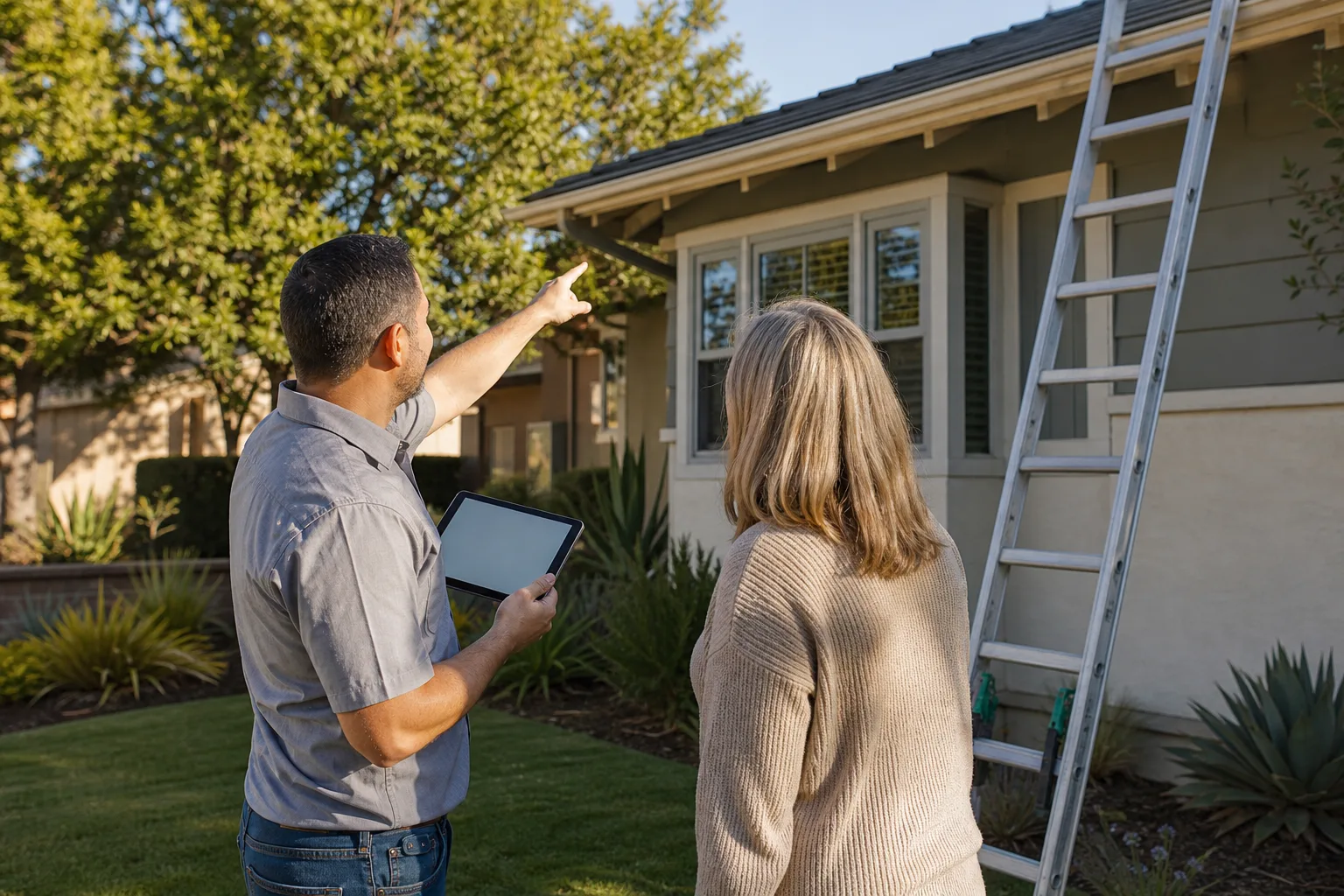
April is the last comfortable window before the heat sets in, and it’s the best month to look at your roof in Elk Grove. The point of this pass is to catch anything loose, cracked, or open and fix it before sustained 90°F+ temperatures start degrading sealants and flashings further. Once summer is fully on, the same defect gets worse faster, and working conditions on the roof get harder for everyone.
Here’s what to check in April:
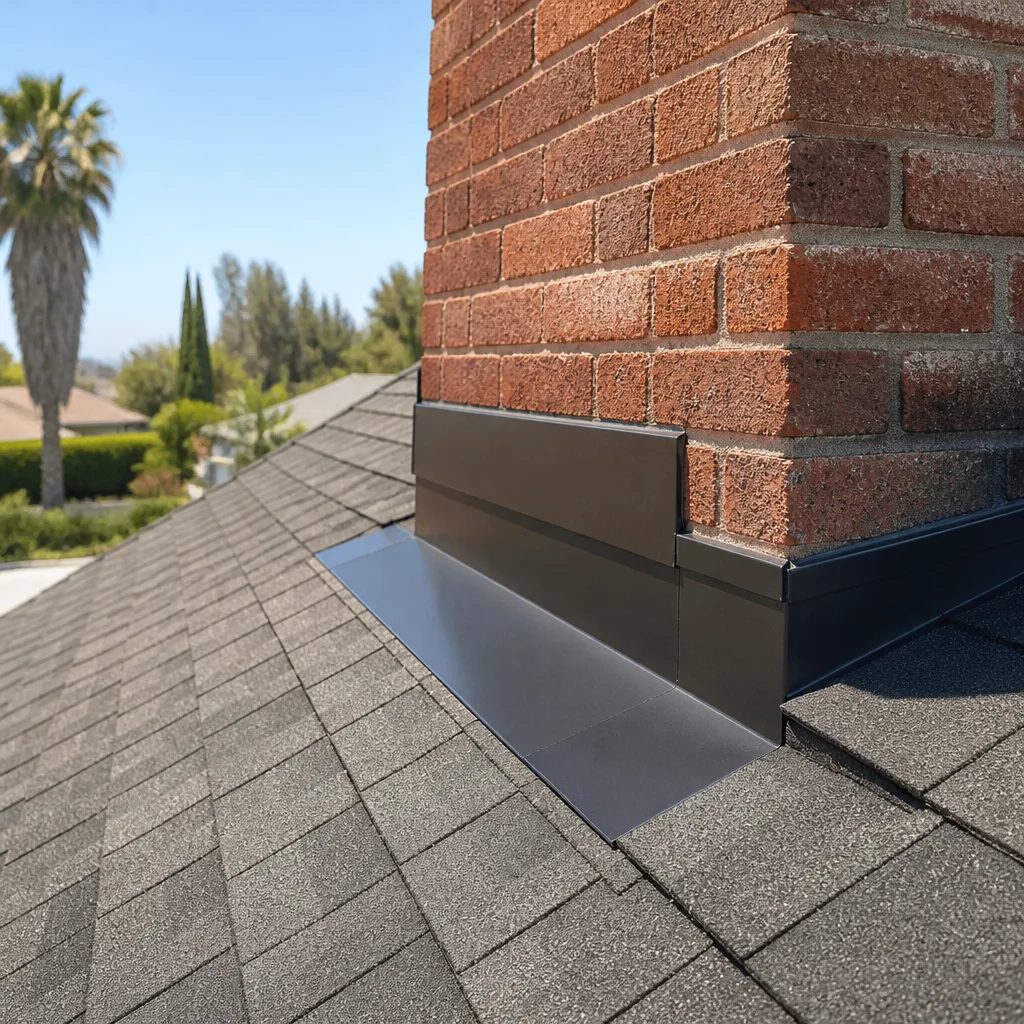
- Flashing at every penetration. Look at chimney, vent, and skylight flashing for cracked sealant, lifted edges, or rust. These are the first places heat damage shows.
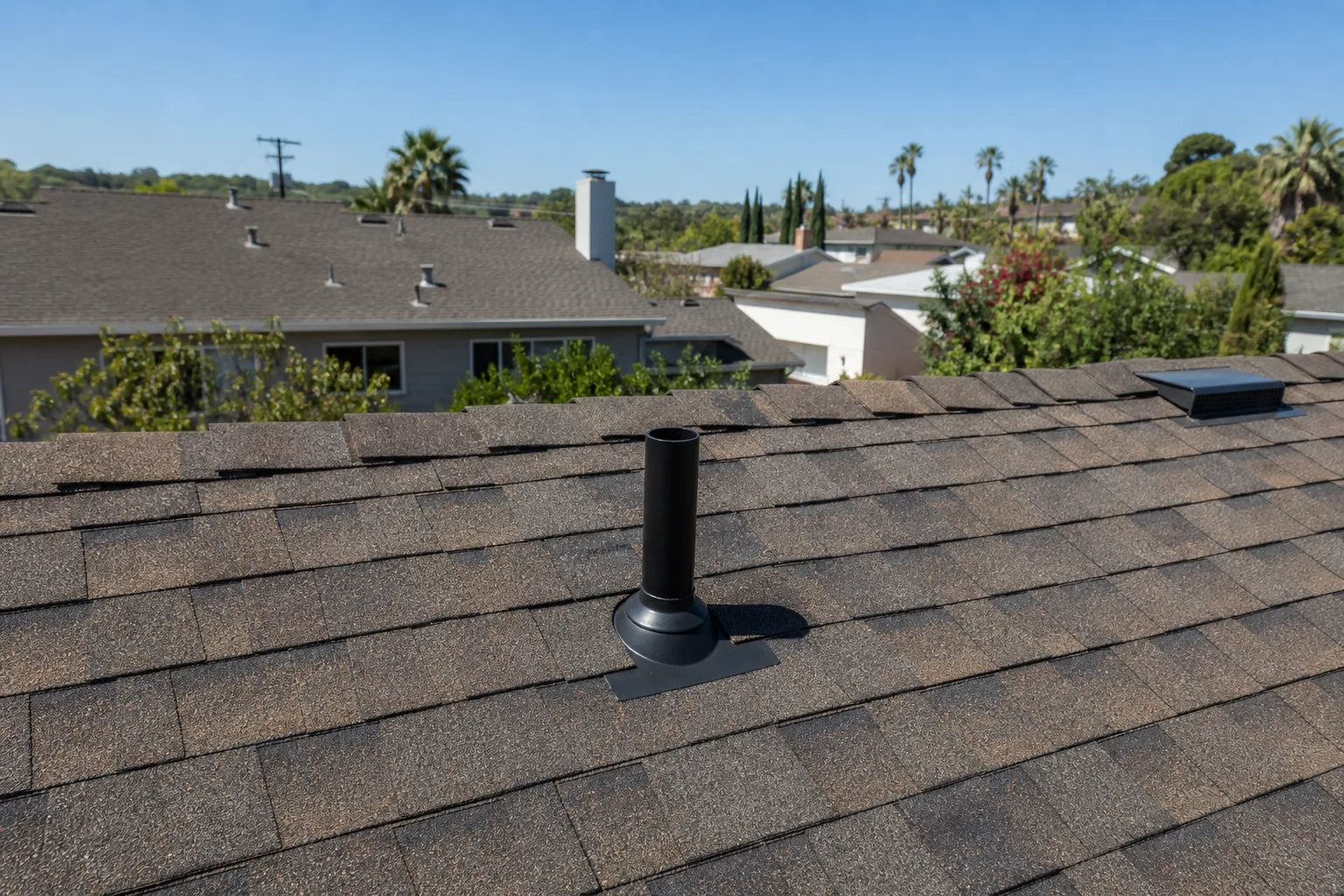
- Pipe boots and collars. Rubber collars dry out and split. A split boot is a small fix in April and a wet ceiling in December.
- Valley condition. Check that valley material is intact and that debris isn’t sitting in the channel where it will hold moisture later.
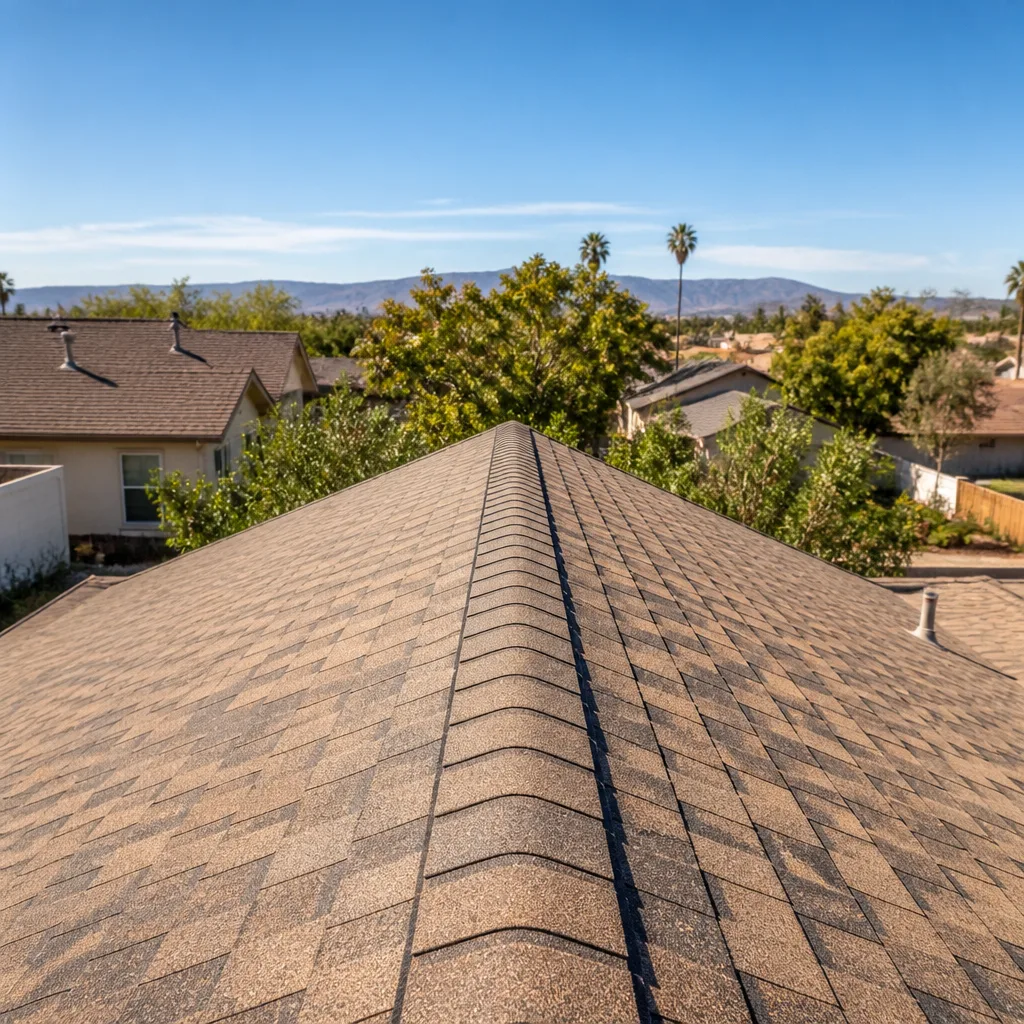
- Ridge and hip caps. Look for caps that are already lifting or have lost their seal. Early lifting is a sign the adhesive is failing.
- Granule loss. Check gutters for granule buildup. Heavy granule shedding points to shingles near the end of their service life.
- Attic ventilation. Confirm vents are open and unobstructed. Poor ventilation makes heat damage worse from underneath.
April is also the right time to treat rather than just inspect. Resealing open flashing and replacing dried-out boots before the heat arrives buys you a full season. If the inspection turns up shingles that are already brittle or a roof near the end of its life, that’s the moment to plan a roof replacement on your schedule rather than in a rush after the first storm. Replacing in the dry months also means the new roof goes on clean and dry, which is how it should be installed.
Mid-Summer: Spotting Active Heat Damage
By mid-summer, the roof is under real stress, and the job shifts from fixing to watching. You’re not climbing up to repair anything in this window; you’re looking for the specific signs that heat is actively working on your roof. These show up in predictable places, and catching them early tells you whether you’re dealing with normal wear or something that needs attention before October.
What to look for from the ground or with binoculars:
- Ridge cap lifting. Caps that curl or lift at the edges mean the adhesive underneath has softened and let go. This is one of the clearest heat-damage signals in Elk Grove.
- Valley seal separation. Where two roof planes meet, the sealant can pull away from the metal or shingle edge as temperatures swing. Look for a visible gap or a lifted edge in the valley.
- Curling or clawing shingles. Shingle edges that curl up or down indicate the mat is drying out and losing flexibility.
- Blistering. Small raised bumps on the shingle surface mean trapped moisture or trapped gas from heat, and they often precede granule loss.
- New granules in the gutters. If you cleaned the gutters in spring and they’re loaded again by August, the shingles are shedding.
If you see any of these, note the location and take photos where you can. You don’t need to fix them in July. You need to know what you’re dealing with so you can decide in the fall whether it’s a repair or a bigger conversation. In our experience, shingle roofs carry most of this visible summer wear, while tile and metal tend to fail at the flashings and fasteners instead of the field material, which changes where you look.
October: The Six-Point Pre-Rain Checklist
October is the most important month on this calendar. Whatever the summer did to your roof, this is the last clean window to catch it before the rain starts testing everything at once. Run this six-point inspection before the wet season opens, and you’ll go into November knowing what you have.
- Clear the roof surface and valleys. Remove leaves, branches, and debris from the field and especially the valleys. Debris holds water against the surface and blocks drainage exactly where water concentrates.
- Check every flashing joint. Re-examine chimney, skylight, vent, and wall flashings for sealant that has shrunk or cracked over the summer.
- Inspect the boots and penetrations. Confirm pipe boots, collars, and any roof-mounted equipment seals are intact and seated.
- Look at the ridge and valleys again. Compare against what you noted in mid-summer. Any lifting or separation you saw in July is now a priority before the rain.
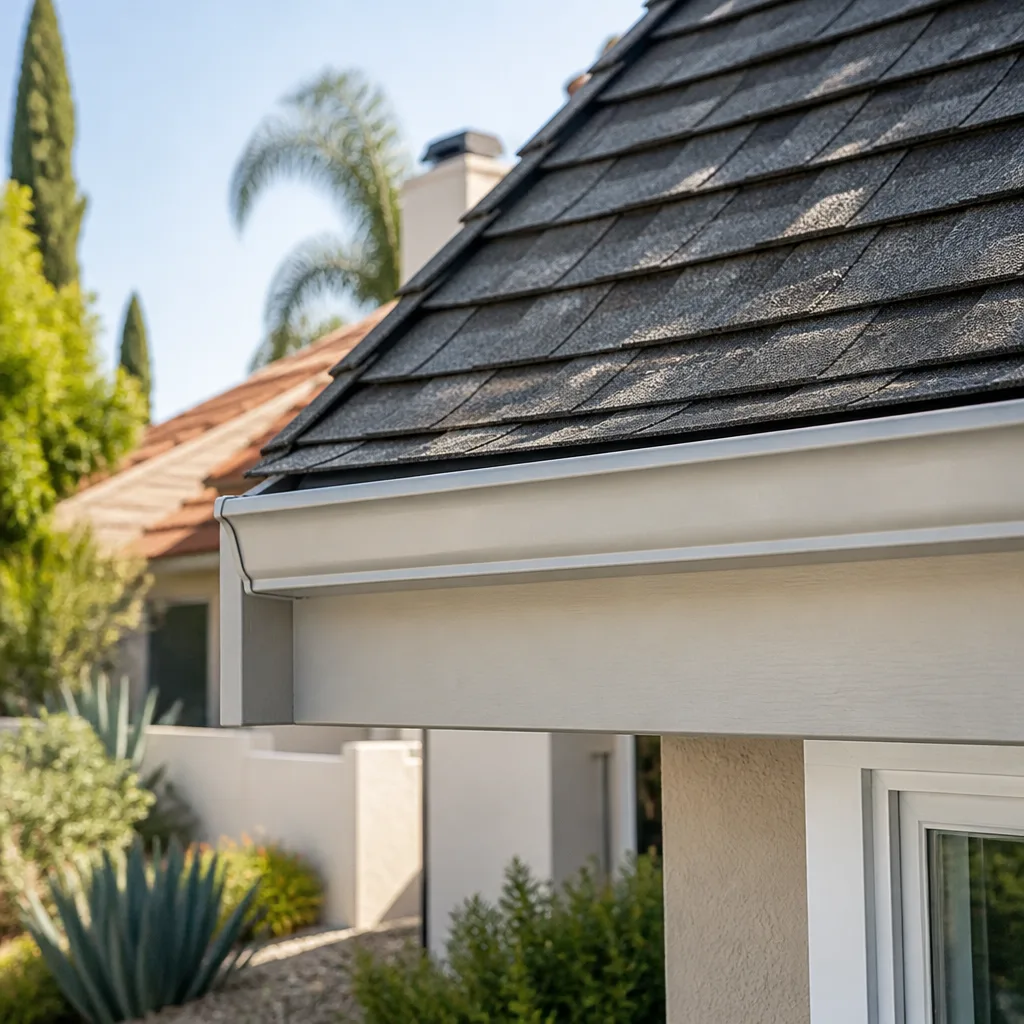
- Clear the gutters and downspouts. Test that water flows freely. A blocked downspout sends water back under the roof edge.
- Check the attic and ceilings for signs. Look for existing stains, damp wood, or daylight through the deck, so you have a baseline before the storms.
If the October pass turns up flashing that’s beyond resealing, or a field of shingles that won’t survive the wet season, get the repair scheduled now. This is also the moment to think honestly about the roof as a whole. If you’re facing repeated repairs and a roof at the end of its service life, a roof replacement before the rains is cheaper in time and stress than a mid-December emergency, and it’s the right call to make while the weather cooperates. If it’s just a roof in early wear, we’ll tell you to keep maintaining it rather than sell you something you don’t need.
Winter: What to Do Within 48 Hours of Heavy Rain
After a heavy rain event in Elk Grove, the first 48 hours matter. This is when you want to catch early intrusion before small leaks spread into insulation, drywall, and framing. You’re not repairing anything in the rain. You’re documenting, checking, and getting eyes on the most likely failure points before the evidence dries or the damage grows.
What to do within 48 hours:
- Walk the interior perimeter. Check ceilings, especially near chimneys, skylights, and exterior walls, for fresh stains, bubbling paint, or damp spots.
- Look in the attic while it’s still damp. Water tracks are easiest to trace before they dry. Note where stains or drips begin.
- Check the exterior at ground level. Look at fascia, soffit, and the area around downspouts for signs water is running where it shouldn’t.
- Take photos and note the date of the storm. A record of when a stain appeared is useful for any later repair or insurance conversation.
- Don’t seal over wet material. If you spot a gap, don’t caulk it while it’s wet. Let it dry and let a professional assess the seal.
If you find an active leak, get a professional out before the next rain event, because the second storm is when a small intrusion becomes a real interior repair. Roofing Elk Grove Pros can work with your insurer on covered storm damage where applicable. We answer 24/7. Fast dispatch from 7am to 7pm, Sunday through Friday, so an early morning or Sunday call gets booked into the next opening.
Spring: Assessing What Winter Did
Spring is the recovery pass. The rain is winding down, and the roof is drying out, which means you can finally see what the wet season did. The goal here is to catch winter damage before the summer heat makes it worse. A lifted shingle or a small flashing gap left unaddressed in March becomes a bigger problem by July, because the sun will cook whatever the water loosened.
Work through these in spring:
- Recheck the interior for dried stains. Some leaks only show as a faint ring once they dry. Compare against your October baseline.
- Inspect the same flashing and boots you checked in fall. Note anything that shifted, cracked, or pulled loose over the wet season.
- Look for granule loss on the shingles. If the shingle surface looks more worn than it did last fall, the winter accelerated the aging.
- Check the deck and structure in the attic. Look for soft spots, damp wood, or rusted fasteners that point to moisture entry.
- Clear debris that the storms left behind. Clean the valleys again so the roof can dry evenly.
Spring is also the time to decide, with a clear look at what winter did, whether the roof needs targeted repairs or has reached the point where a new roof makes more sense. If you’re planning a build rather than a repair, spring is a natural time to plan a new roof installation while conditions are dry. Sorting out the roof’s condition now, before the heat returns, is the single best thing you can do for it going into summer.
How Roofing Material Changes the Seasonal Work
The seasonal calendar applies to every roof, but what you actually watch for depends on the material. In our experience, the three roof systems behave differently under Elk Grove’s heat and rain, and knowing which one you have tells you where to focus.
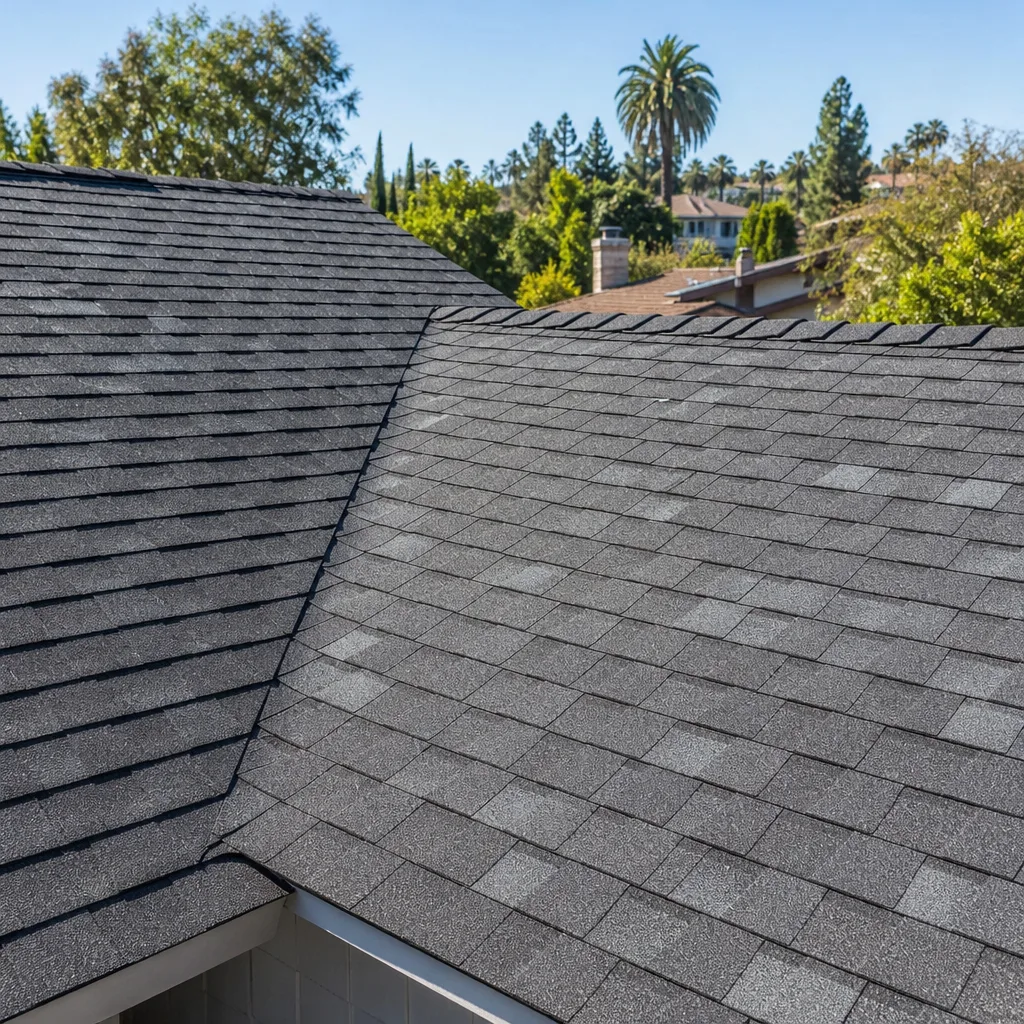
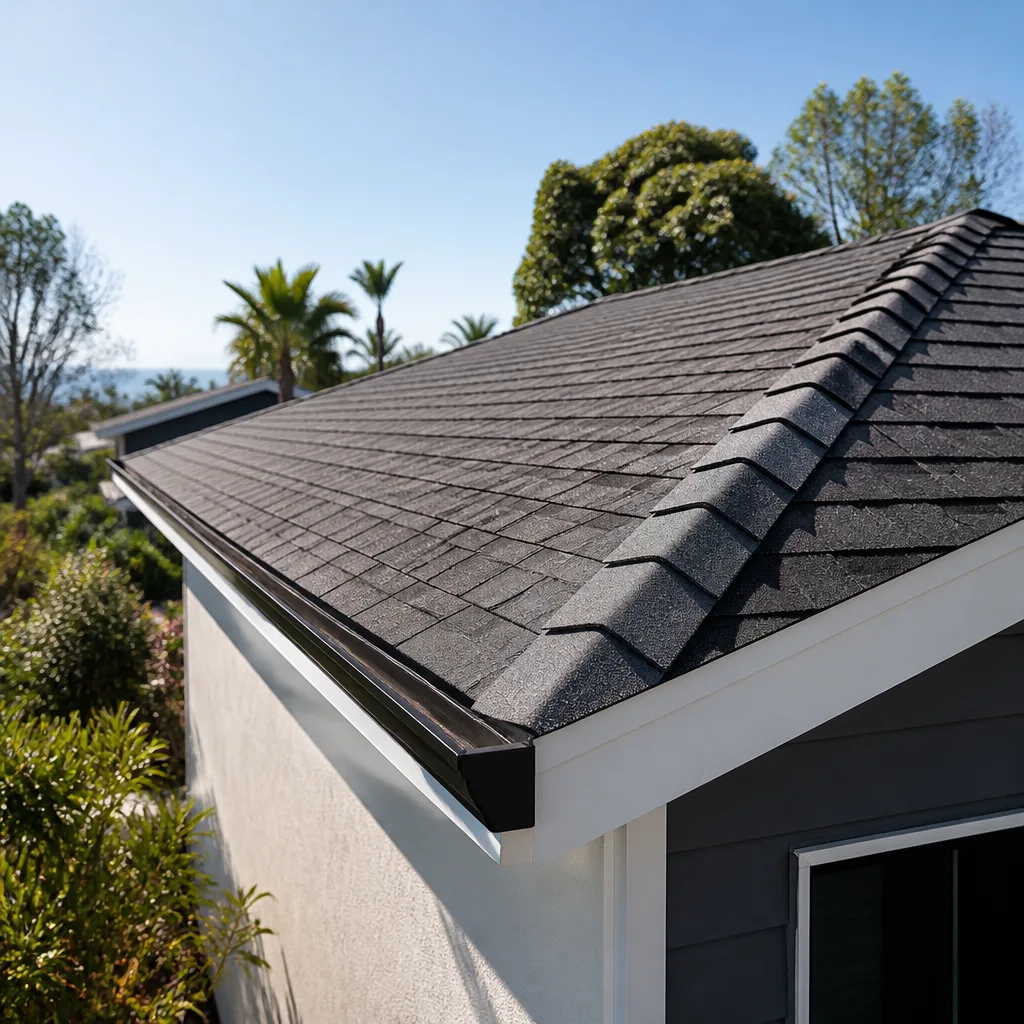
Shingle roofs. Architectural shingles are the most common residential system here, and they show the summer wear most visibly. Ridge cap lifting, valley seal separation, granule shedding, and brittleness as the mat dries are the classic signs. We install shingle roofing from manufacturers including IKO and Atlas, and part of the spring and fall checks on these roofs is watching those specific wear points. If your shingles are past their service life, we can talk through what a replacement would look like.
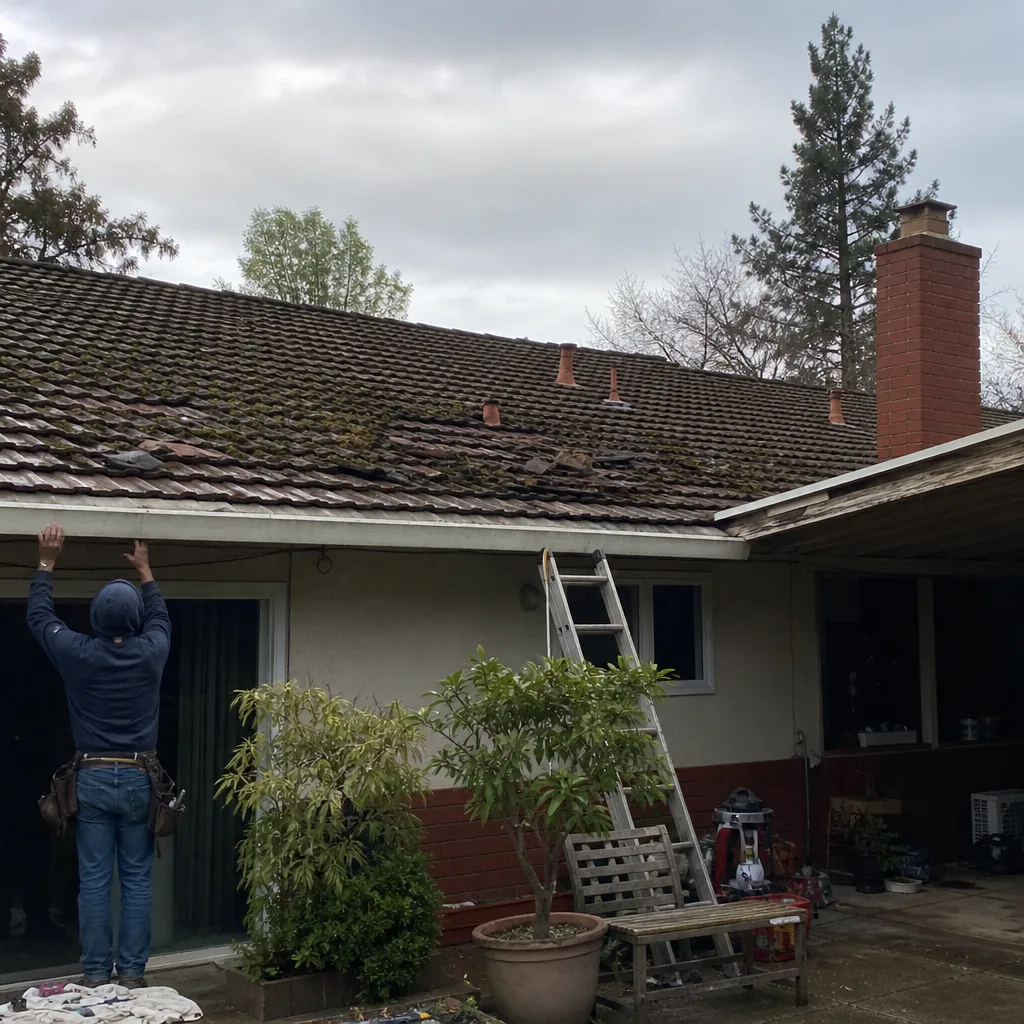
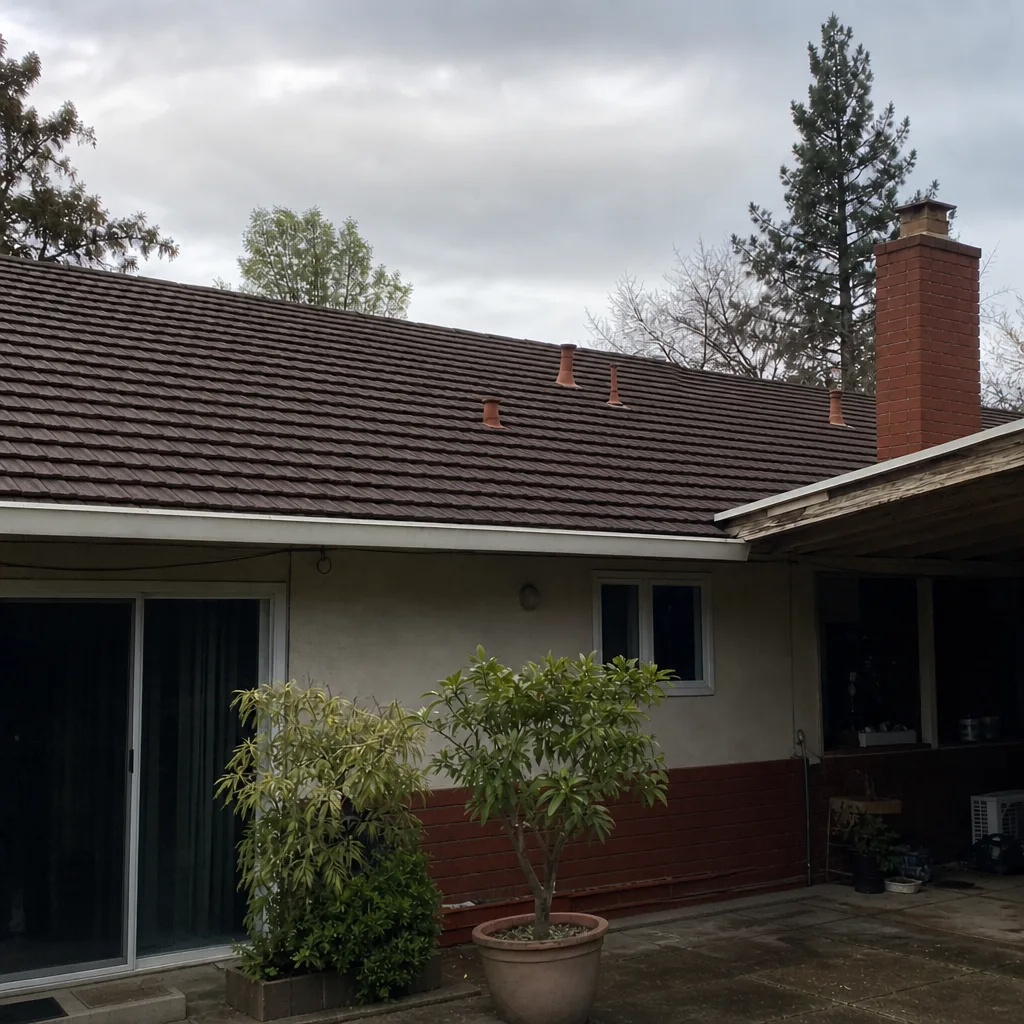
Tile roofs. Tile handles the heat well and doesn’t degrade like shingle, but the flashings and fasteners are where it fails. Look at the underlayment and every penetration during the fall check, because a tile field can look fine while water is finding a path underneath.
Metal roofs. Metal moves with temperature swings, so the seasonal work is paying attention to the fasteners and seals rather than the panels. Loose fasteners and worn sealant at the penetrations are where you’ll find problems after a hot summer and a wet winter.
We work with seven manufacturer lines, including Tamko and Boral, so the right roof for your home isn’t decided by a supply contract. If you’re weighing materials for a replacement, that choice matters more than any single brand, and we’ll walk you through the trade-offs in plain terms.
Common Mistakes to Avoid
- Waiting for a leak to prove there’s a problem. In Elk Grove, the roof stays dry all summer, so a leak is the last symptom, not the first. Check for wear in the dry months, not just the wet ones.
- Skipping the October inspection. Fall is the clean window before the storms. Skip it and the first heavy rain does the inspection for you, from inside the house.
- Sealing flashing while it’s wet or hot. Sealant won’t set properly on a wet or very hot surface. Time small repairs for the mild dry months when they’ll actually hold.
- Assuming one material’s behavior fits another. A tile roof’s problem is usually underneath it at the flashings; a shingle roof shows its problems right on the surface. Check the right things for your system.
- Patching a roof that’s past repair. Repeated repairs on an aging roof cost more over time than one honest assessment. Get a straight answer before you spend on another patch.
- Letting spring damage run into summer. Whatever winter loosened gets worse in the UV and heat. Address it in spring, before the two seasons compound.
- Treating the roof as a one-time job. It’s a schedule, not a single swap-out. The homeowners who avoid big surprises are the ones who work the calendar every year.
See the difference
 Before
 After
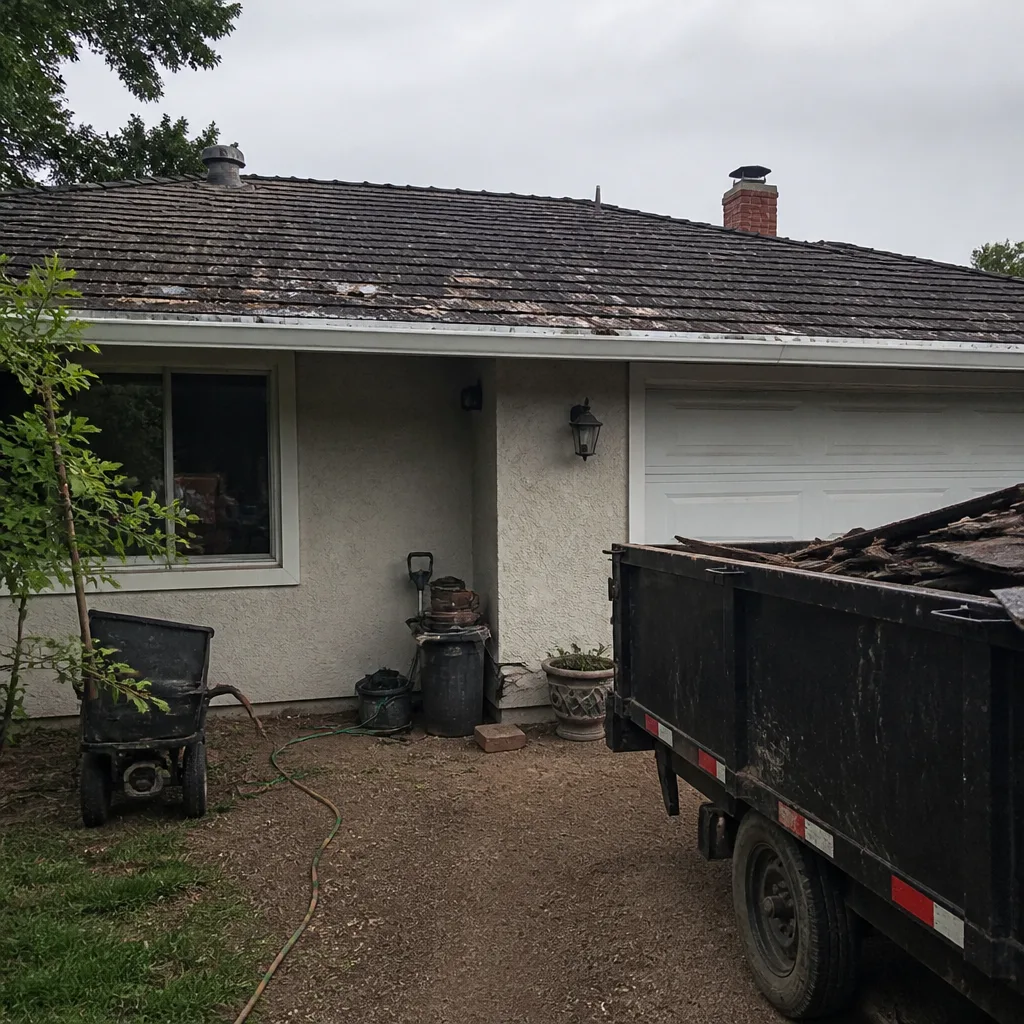 Before
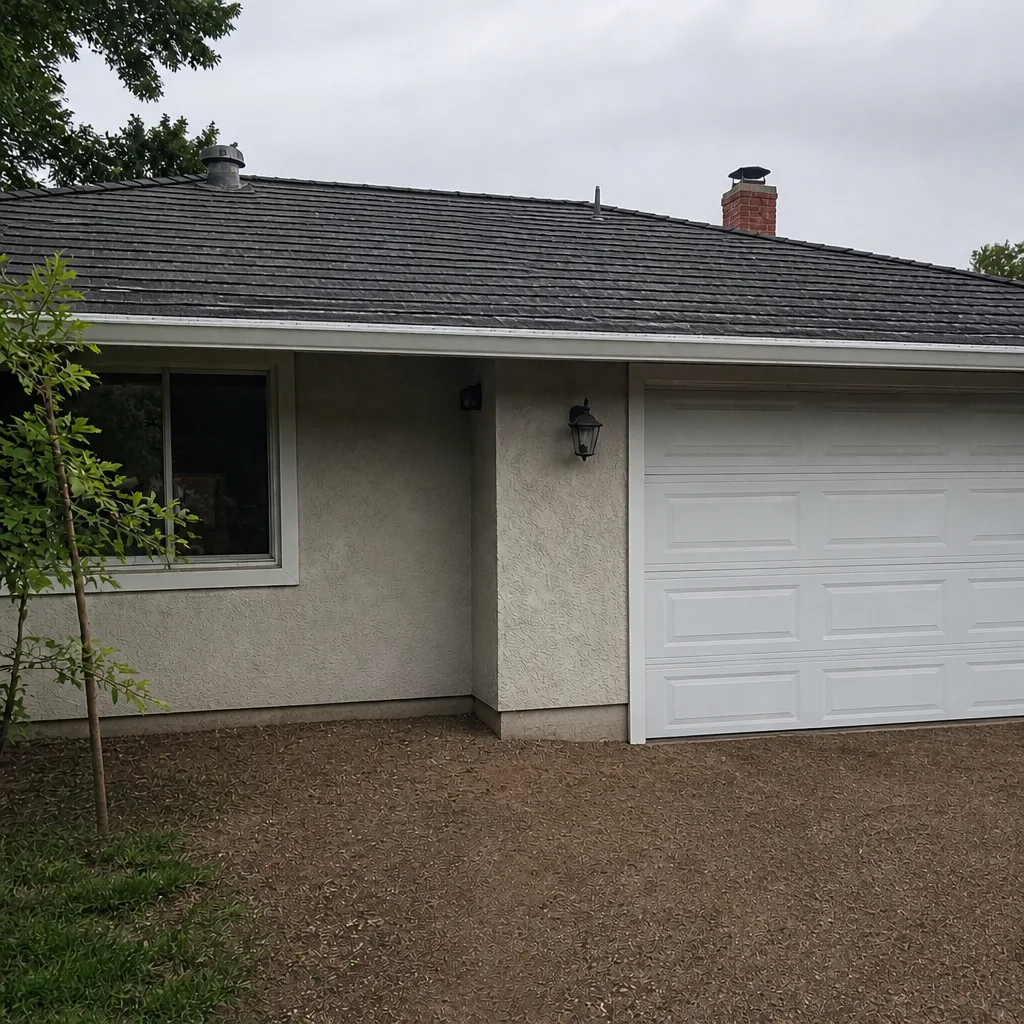 After
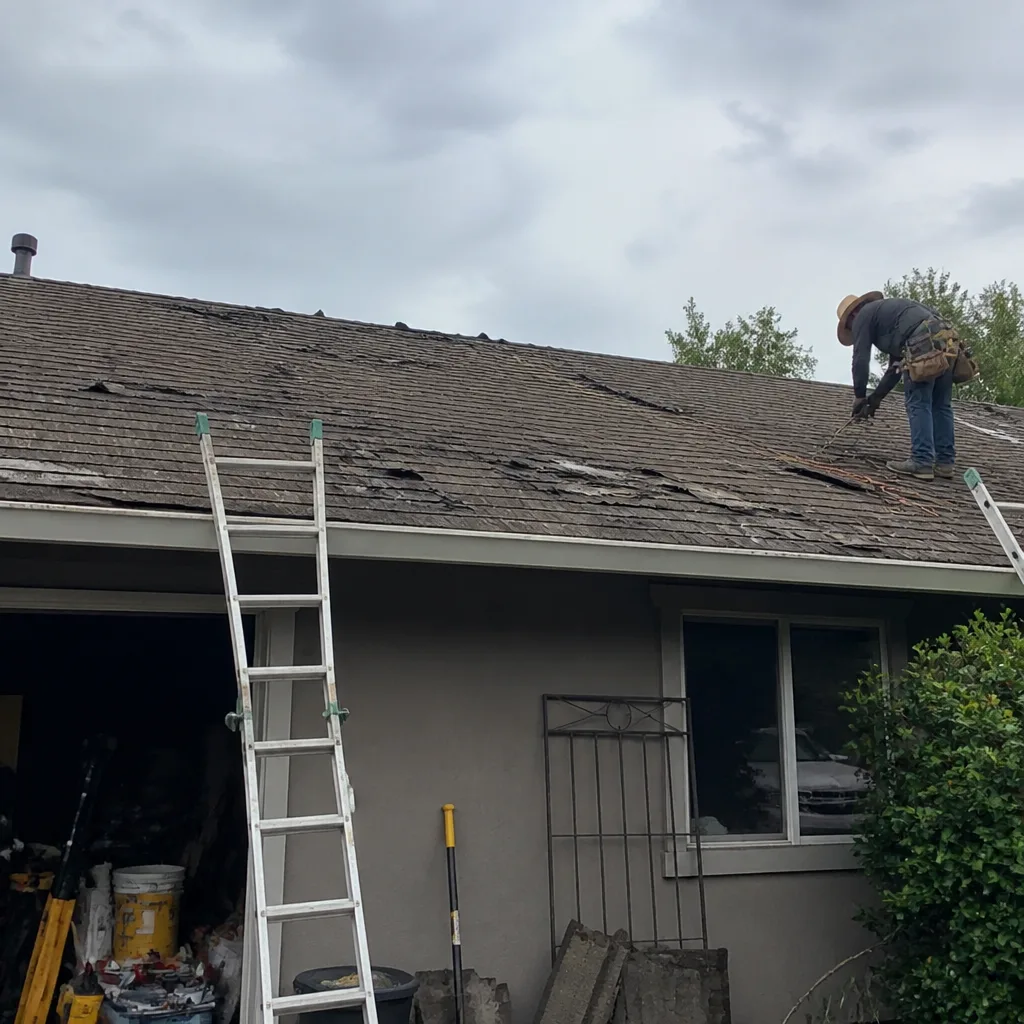 Before
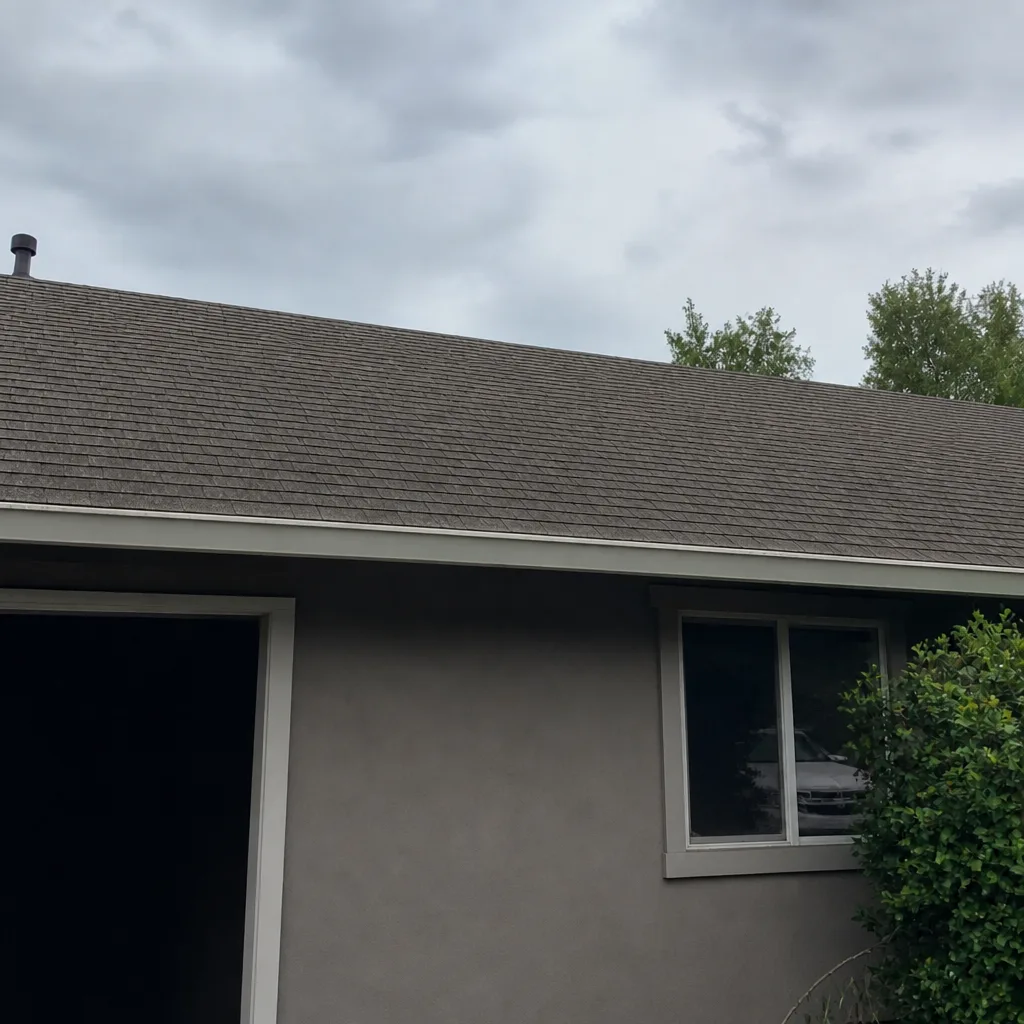 After
When to Call a Professional
Some seasonal checks are fine to do yourself from the ground. Others need a trained eye and a ladder. Call a professional if you find an active leak, fresh interior staining, or damp insulation in the attic; if ridge caps, valleys, or flashing show separation you can’t safely reach; if your shingles are shedding heavy granules or feel brittle; if storm damage is beyond a small repair; or if your roof is at the age where you’re weighing repair against replacement. The safety side matters too. Walking a roof, especially a steep-pitch or wet one, is a real hazard, and the smart move is to let a professional do it. Our technicians have up to 12 years of experience, and we pull inspections and estimates free. Roofing Elk Grove Pros offers free estimates in Elk Grove and a written, line-item quote with fixed pricing and no change orders. Call (279) 333-8281. We answer 24/7. Fast dispatch from 7am to 7pm, Sunday through Friday.
Frequently Asked Questions
Twice a year works best here: once in April before the heat and once in October before the rain. That two-pass schedule matches Elk Grove’s actual seasons, catching summer wear before winter tests it and winter damage before summer compounds it. It’s far better than a single annual check. Call (279) 333-8281 to book your free inspection.
October is the most important month, because it’s the last clean window before the wet season opens. That six-point pre-rain inspection is where you catch whatever summer loosened before the rain exposes it all at once. Skip it and the first storm does the inspection for you. Call (279) 333-8281 to schedule your October walkthrough.
Check within 48 hours. That’s the window when interior stains, attic water tracks, and ground-level signs are still fresh and traceable. Note the storm date and take photos so you have a record. If you find active intrusion, call (279) 333-8281. We answer 24/7. A call outside dispatch hours is booked into the next opening, Sunday through Friday, 7am to 7pm.
Estimates are free, and the price for any work is set per job by a written, line-item estimate, so you know the figure before work starts. There’s no change order surprise once the price is set. Call (279) 333-8281 for your free estimate.
Yes. Heat is what ages a roof in Elk Grove, and it works quietly. UV and sustained 90°F+ temperatures break down sealants, dry out shingles, and loosen ridge caps and valleys, all without leaking. That damage sits ready for the first rain in November. Call (279) 333-8281 to have us check for it.
Because planned subdivisions build in phases, so roofs across a neighborhood tend to share the same age and materials, which means they reach the end of their service life on the same timeline. If neighbors are seeing heavy granule loss or repeats, look at yours with the same attention. Call (279) 333-8281 for a straight answer on where your roof stands.
You don’t have to wait, but wet-season work is a matter of timing. Active leaks get addressed before the next rain. For a full replacement, the dry months are better, since a new roof should go on clean and dry. Call (279) 333-8281 and we’ll tell you what your situation needs.
It comes down to the roof’s overall condition, not one spot. Repeated repairs on an aging roof usually point to replacement, while a young roof with an isolated flashing or boot issue is a straightforward repair. Our technicians have up to 12 years of experience and will give you an honest answer. Call (279) 333-8281 for a free estimate, and see how we handle roof replacement as a core service.
The Bottom Line
Roof care in Elk Grove follows a two-season calendar, not the four-season template most guides assume. Heat and UV from May through October break down your roof quietly, and the wet season from November through March exposes everything at once. Work the schedule: treat in April, watch in mid-summer, run the six-point check in October, inspect within 48 hours after storms, and catch winter damage in spring before summer makes it worse. That rhythm, repeated year after year, is what separates a roof that lasts from one that surprises you.
Ready to put the calendar to work? Call Roofing Elk Grove Pros at (279) 333-8281 for a free estimate. Choose your material – we install all three: shingle, tile, and metal, backed by seven manufacturer lines. We answer 24/7. Fast dispatch from 7am to 7pm, Sunday through Friday.
Written by the team at Roofing Elk Grove Pros.